
The Coffee Math Nobody Wants to Do
Coffee spending is the kind of expense that quietly compounds without anyone noticing. Take two cups a day at an average of four dollars each from a typical mid-range café. Prices vary significantly by location and beverage, but four dollars is a reasonable working figure for many urban consumers.
Do the multiplication. Two times four is eight dollars a day. Eight dollars times 365 days is two thousand nine hundred and twenty dollars a year, which rounds up to a memorable, and often surprising, three thousand. That is the ballpark figure that emerges from this pattern, and it is the kind of number that, once seen, refuses to be unseen.
The figure is not fixed. Some months the spending is lower, perhaps because routines are stricter or travel is limited. Other months, the number swells. Travel is a common factor; a new city can be an excuse to explore third-wave coffee shops, which often charge prices that make the four-dollar average seem modest. Three thousand dollars a year is a plausible midpoint for this specific pattern of consumption—not a ceiling and not a floor, but the gravitational center of a habit that fluctuates by month, city, and the willpower to walk past an interesting café.
Why a $3,000 Coffee Habit Might Still Be Worth It
Coffee is one of the few daily purchases that can deliver value well beyond the item itself. The word luxury often implies a purely discretionary expense, but coffee can be functional. The morning cup frequently delivers alertness and focus in a way that few other small daily purchases can match at that price point. For many drinkers, the brain transitions from morning fog to functional clarity for somewhere around two to four dollars. That function alone defends a significant chunk of the annual budget.
Then there is the social component, which is harder to quantify but is real nonetheless. Coffee provides a social anchor for many people:
- Friends and colleagues meet at cafés for conversations.
- The ambient hum of a coffee shop provides a socially acceptable background for remote work or calls.
- The routine of brewing, ordering, or simply sitting down with a cup helps structure the day.
In this framing, three thousand dollars a year is not just an expense. It can be viewed as a subscription for alertness, social infrastructure, and daily routine, all bundled into a single recurring charge.
The Home Brewing Math: How Espresso Equipment Can Pay for Itself
For anyone surprised by the three-thousand-dollar figure, the economics of home brewing are compelling.
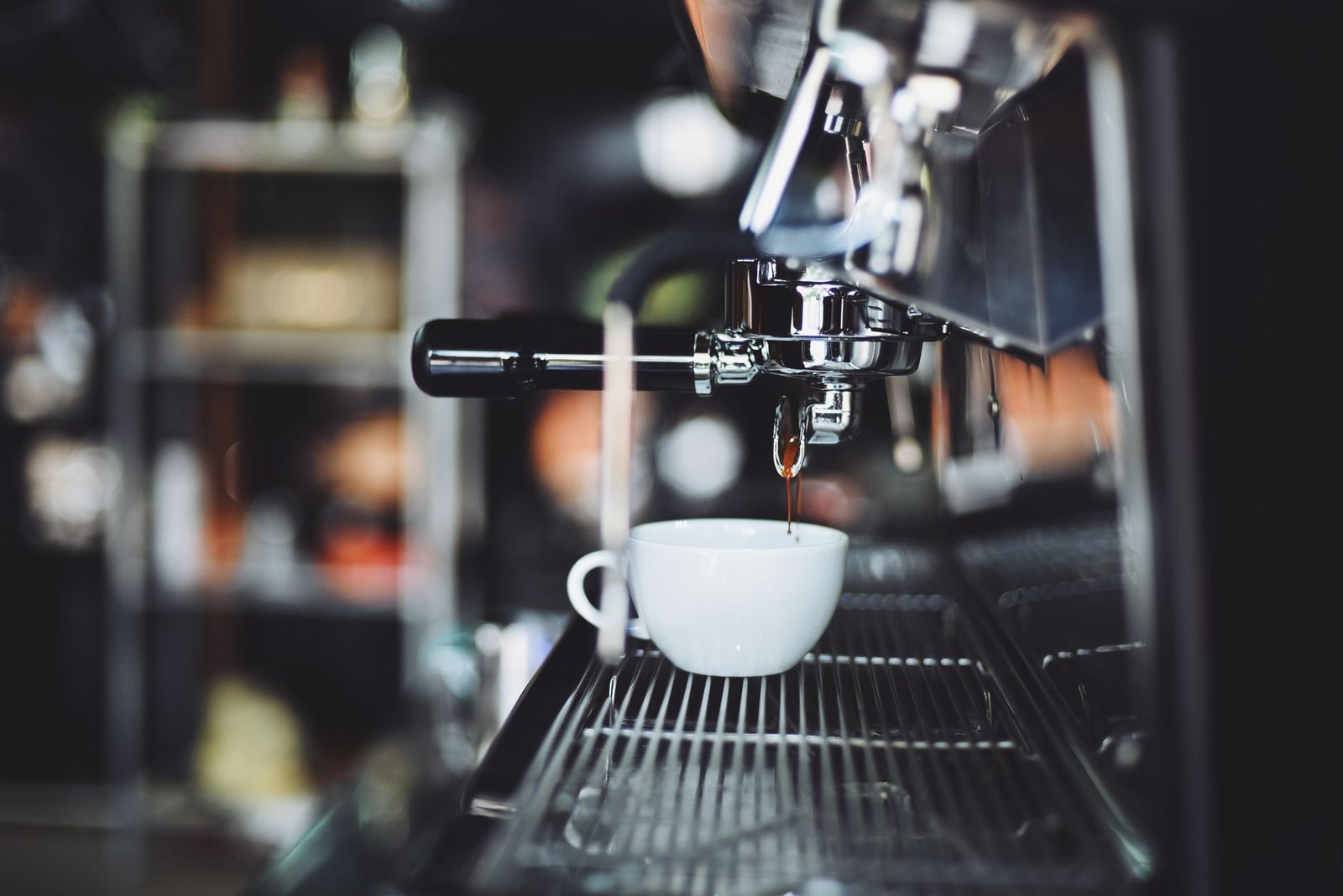
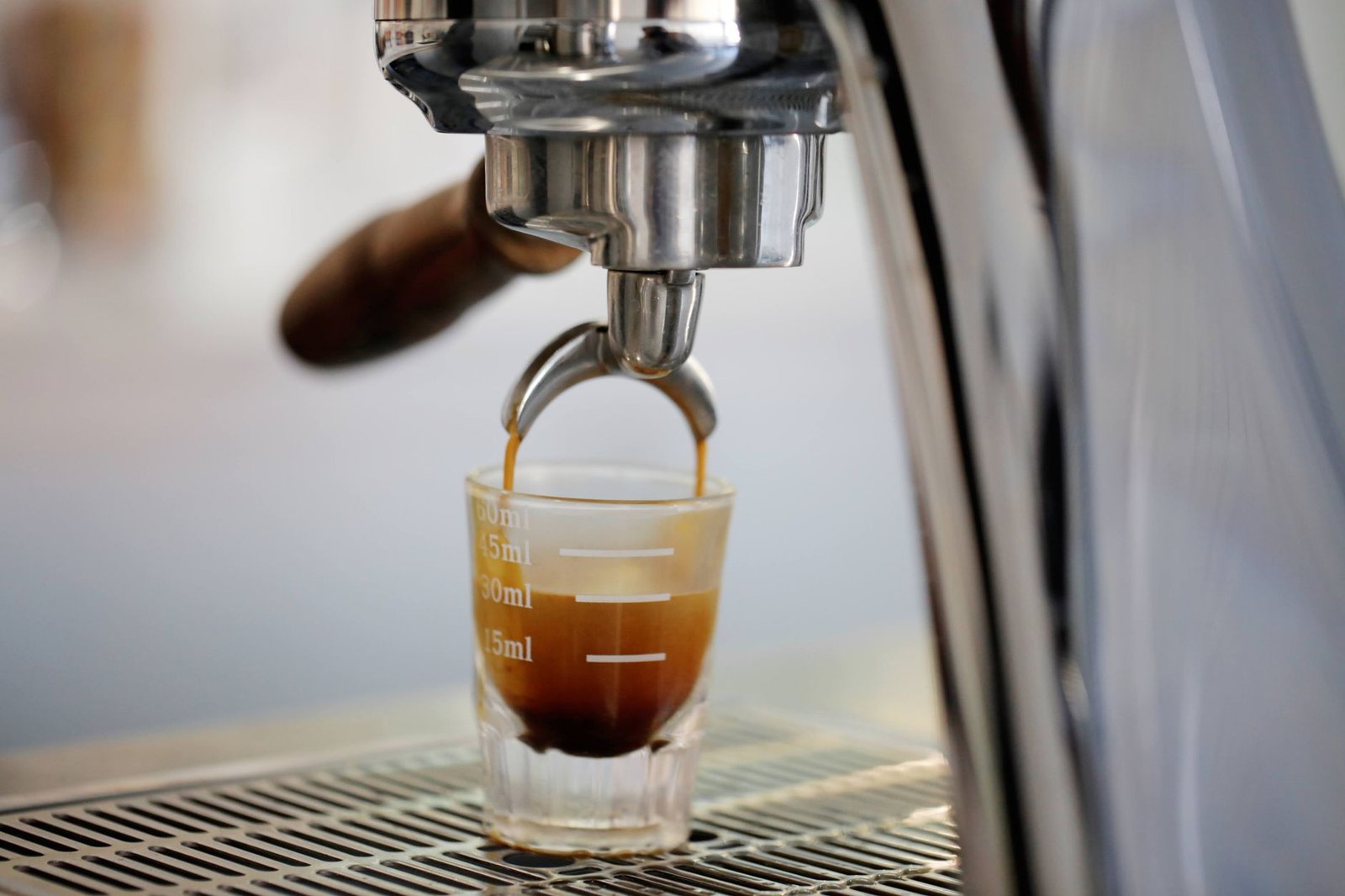
Consider the arithmetic. A capable entry-level setup for home espresso might include a $300 machine and a $150 grinder. While prices for equipment range widely, this $450 upfront investment is a realistic starting point. This initial cost can seem steep until compared to daily café spending.
Two espresso shots a day at home replace two café drinks. At four dollars each, the café habit costs eight dollars daily, or roughly $240 a month. The home version requires consumables—beans, water, electricity, and occasional maintenance—but the per-drink cost is dramatically lower. Factoring in around $1.00-$1.50 per drink for quality beans, the daily savings are still substantial. Under these assumptions, the equipment can pay for itself in three to four months. After that break-even point, every drink made at home represents savings against the café alternative.
The substitution is not just financial; it is logistical. Brewing at home eliminates the commute to the café, the line, and the wait. The coffee is ready when the drinker is ready, and that convenience has its own quiet value, even if it does not appear on a receipt.
The Most Expensive Coffee Mistake: Cheap Beans, Good Equipment
One of the most common and costly mistakes in home coffee is pairing poor-quality beans with good equipment. The logic seems plausible: save money on the consumable (beans) and invest in the durable good (the machine), letting the hardware compensate.
In reality, this approach often fails. Even sophisticated equipment cannot fix the taste of stale, poorly roasted, or low-grade coffee beans. The resulting drinks can be disappointing enough that the user ends up going back to the café anyway. The home machine becomes an expensive counter ornament, the café visits continue, and the equipment budget and café budget stack on top of each other, potentially increasing total spending.
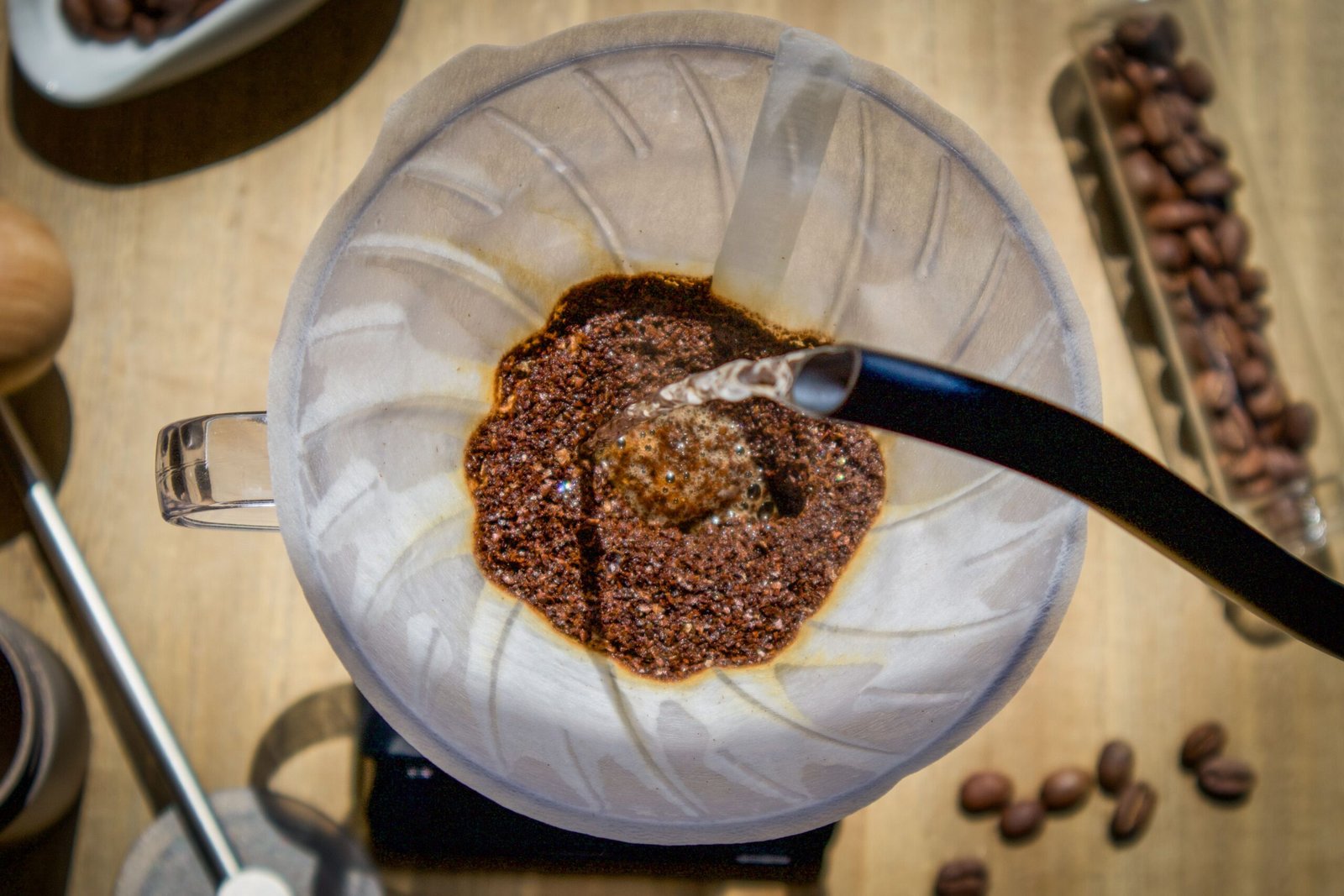
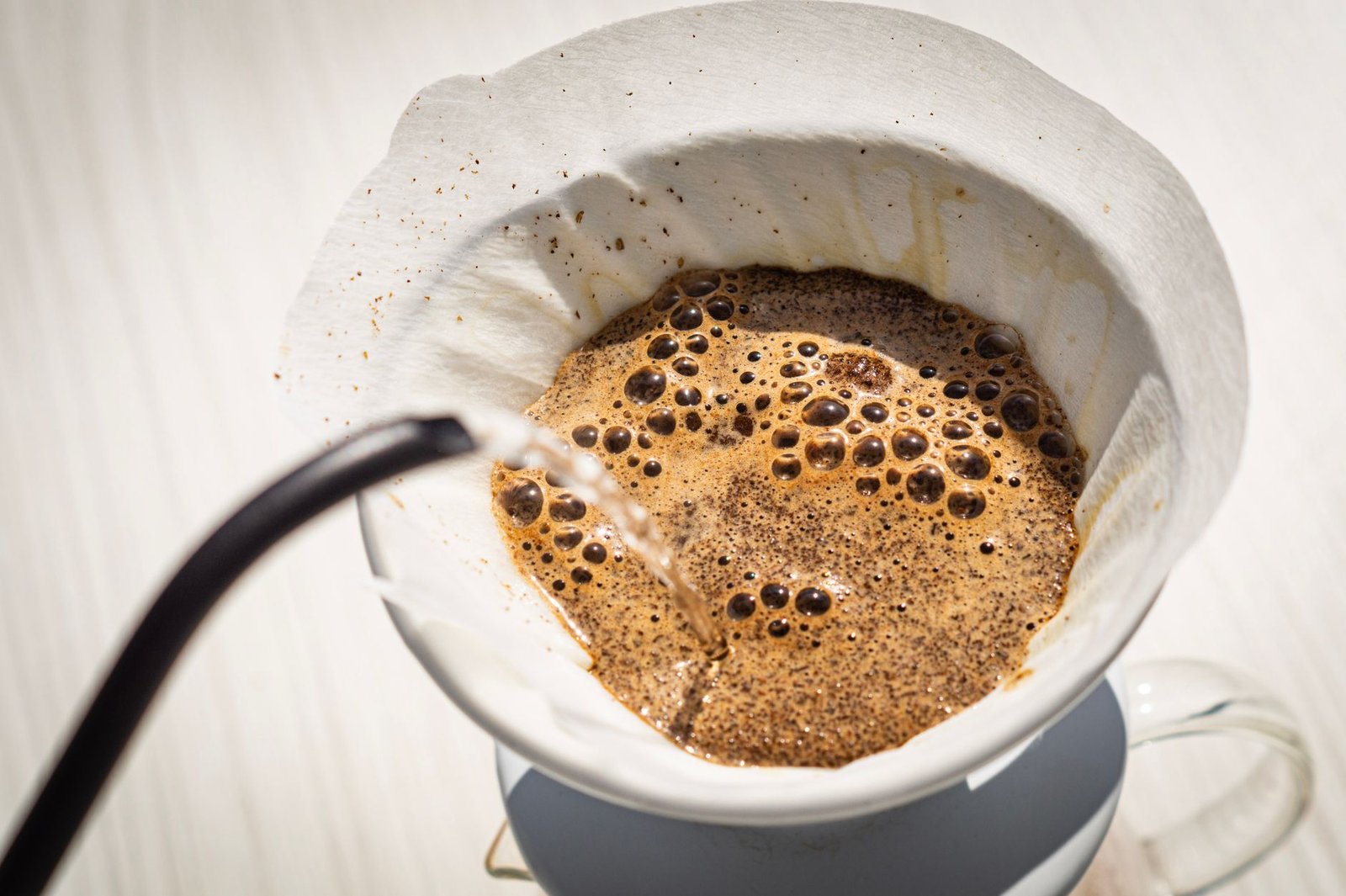
The reverse approach is far more effective: excellent beans paired with modest, capable equipment. High-quality beans provide the foundation for great flavor. A simple, well-designed brewer can produce a superb cup if the input is high quality, whereas a high-end machine cannot fully rescue a low-quality input. Prioritizing bean quality and selecting functional, appropriate equipment often leads to a better home coffee experience, which in turn reduces the desire for café drinks and lowers overall spending.
The principle that the raw material matters more than the tool applies to many fields, but coffee makes it especially clear, as the difference between a good and a bad cup is immediate and unforgiving.
A bad home espresso can send a person out the door in search of a better one. A good home espresso is a quietly triumphant experience that encourages staying right where you are, enjoying the cup you just made.
The Broader Lesson: Why Doing the Coffee Arithmetic Is Free
Coffee does not need to be an expensive hobby, but it can easily become one without attention. The cost can drift upward in small increments:
- A slightly more expensive bag of beans here.
- A new piece of brewing gear there.
- A subscription that auto-renews.
- A café visited out of habit rather than true preference.
None of these moves is large on its own. Compounded over a year, they can form a significant expense. This habit has a quiet inflationary tendency, and the only known antidote is the occasional act of running the numbers.
Doing the arithmetic is free. It costs nothing to multiply two by four by 365. It costs nothing to add up equipment costs and compare them to potential café savings. It costs nothing to notice that a home machine has gone unused for weeks, meaning café visits have replaced the very function the machine was purchased for.
The arithmetic itself is free. The awareness it produces can save hundreds of dollars a year, depending on usage patterns and local prices, often without sacrificing the quality of a single cup. The goal is not necessarily to drink less coffee, but to spend more intentionally.
The Final Irony: Coffee Is Both the Expense and the Auditor
The same habit that can cost three thousand dollars a year is also what enables many to function clearly enough to do the arithmetic in the first place. Without the coffee, the multiplication might not happen. Without the multiplication, the spending might not get questioned. Without the questioning, the drift continues.
Coffee, in this sense, is both an expense and a tool. It costs money, but it can also provide the alertness needed to examine where that money is going. Used intentionally, it can help people make more considered financial decisions.
The Verdict on Your Coffee Budget
This is the argument for treating coffee as more than just a discretionary line on a budget. It is a habit with a price tag that, on closer inspection, often buys more than it seems to:
- Alertness at a reasonable per-use cost.
- A framework for social interaction.
- A source of daily routine and structure.
- The satisfaction of a home setup that pays for itself through consistent use.
- The opportunity to look at a number like $3,000 a year and decide, calmly and with caffeine in hand, whether that value exchange is worthwhile.
For many who drink it daily, the answer is often yes. The key is to ensure the answer comes after the math, not before it.
Three thousand dollars a year. Two cups a day. Four dollars each. The arithmetic is done. The cup is still warm. The decision, as always, is up to the drinker.
Leave a Reply