
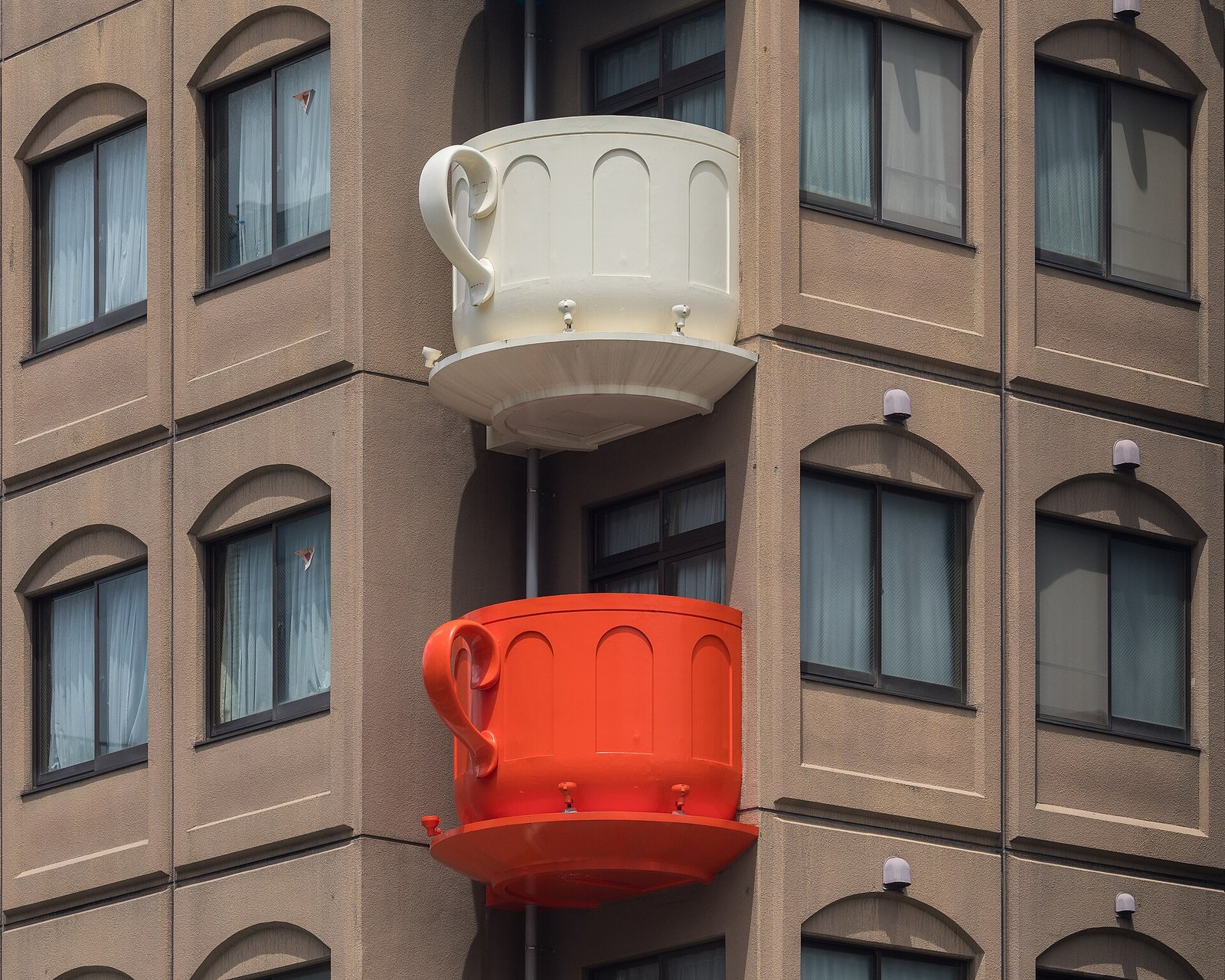
The Chemistry That Doesn’t Care About Your Favorite Mug
Caffeine typically reaches peak concentration in the bloodstream about 30 to 60 minutes after consumption, though food intake, dose, and individual metabolism can shift that timing. The half-life, the time it takes for the body to clear half of the dose, is often around four to six hours in healthy adults, but it varies considerably from person to person and can be affected by genetics, pregnancy, liver function, smoking, and some medications.
Translation by way of an example: a cup of coffee consumed at 8 AM may still have around half of its caffeine circulating somewhere between noon and 2 PM, depending on individual metabolism. That lingering tail can be useful for sustained focus in the early afternoon. It is also the reason that a 4 PM coffee can interfere with sleep for some people. And a bad night of sleep is usually a far bigger productivity killer than any short-term alertness boost is worth trading for. The math is not subtle.
Caffeine Half-Life at a Glance
- Peak blood concentration: usually about 30 to 60 minutes after consumption
- Typical half-life: often around 4 to 6 hours in healthy adults, with substantial individual variation
- Implication: An 8 AM cup can leave meaningful caffeine in the system into the early afternoon
- Risk: A late-afternoon cup can disrupt sleep and erode next-day productivity, especially in caffeine-sensitive people
What Coffee Actually Does to the Brain
This is where the marketing copy collides with reality. Coffee does not, strictly speaking, give energy in the way food provides calories. Caffeine mainly works by antagonizing adenosine receptors, which reduces the brain’s perception of sleep pressure and can increase alertness. The fatigue does not vanish; one of its key chemical signals becomes less noticeable.
This is a useful trick. It is also a trick with a footnote. If the body is already running on fumes, suppressing the tired signal with caffeine can be a bit like disabling the low-fuel warning light on a car and then driving until the engine seizes. The feeling of alertness is borrowed, not earned. When the caffeine wears off, the underlying sleep pressure may become obvious again.
The Cortisol Awakening Response and Your First Cup
Cortisol is a hormone the body produces on a daily circadian rhythm, with levels usually rising before waking and often increasing further during the first 30 to 45 minutes after waking, in what researchers call the cortisol awakening response. From there, levels generally decline through the day and reach their lowest point during the early part of the night.
Cortisol is involved in arousal, metabolism, and the stress response. It is one of the body’s own wake-up signals, produced internally on a schedule. Drinking coffee right on top of the morning cortisol peak may make caffeine feel less distinctive for some people because the body’s own wake-up signal is already active. Direct evidence that this timing meaningfully accelerates caffeine tolerance is limited, but the idea remains a plausible reason to be more intentional about the first cup.
The 90-Minute Rule
One commonly suggested strategy is a recommendation that surprises many people: the popular suggestion is to wait roughly 60 to 90 minutes after waking before the first cup, on the theory that this allows the morning cortisol surge to taper so caffeine is not stacked directly on top of the body’s own alertness signal.
The evidence behind this specific timing is suggestive rather than definitive, and direct evidence for a tolerance effect is limited. Still, the underlying idea, that caffeine may feel more useful when it is not layered onto a natural alertness peak, is plausible. By the same logic, late morning or early afternoon is often suggested as a reasonable time for a second cup if it does not interfere with sleep. Drinking coffee at that point is closer to supplementing the system than competing with an already strong wake-up signal.
Routine as Cue
This brings the conversation to routine. Consistent timing may make coffee more useful as a cue for focused work. Drinking the first cup at the same time every weekday, 9 AM for instance, gives the day a reliable rhythm.
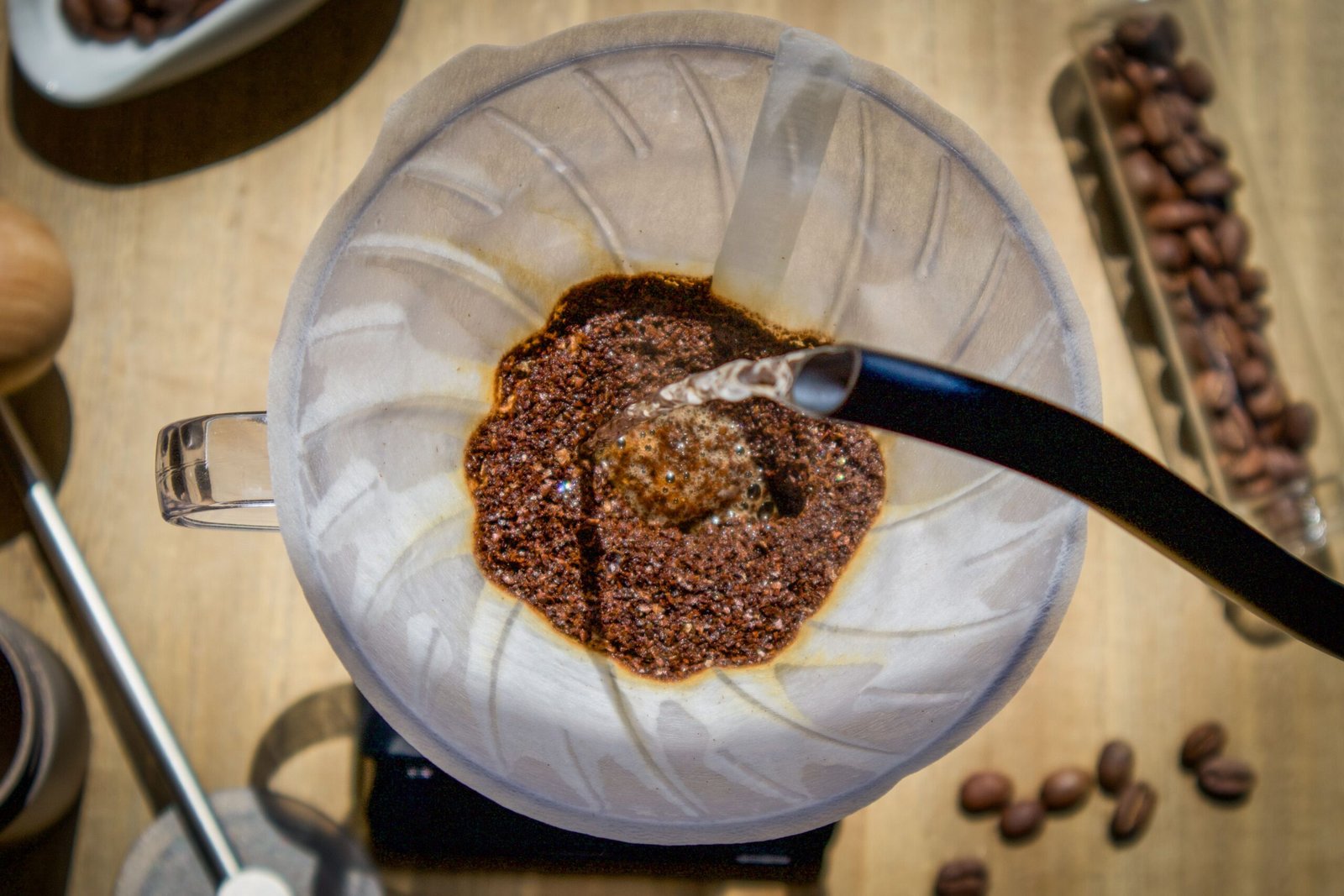
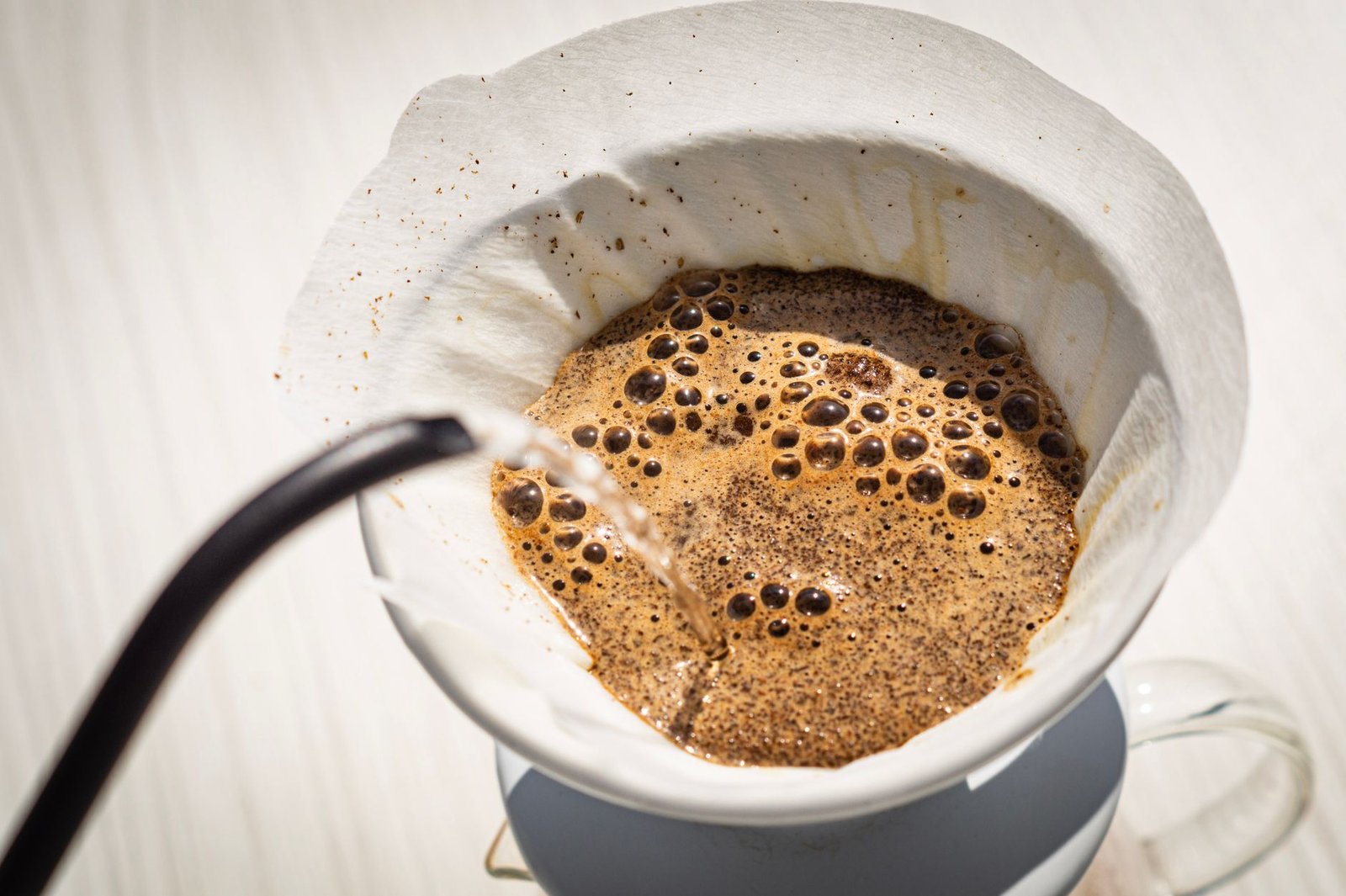
The act of brewing becomes a learned trigger. The brain can start to associate grinding, pouring, and waiting with the transition into focused work, so concentration may arrive more readily when those familiar cues appear. This is the same principle behind effective morning routines: predictable sequences reduce the number of decisions required before work begins. The brain spends fewer resources deciding what to do next and more resources doing the next thing. Coffee becomes a cue, not just a chemical.
The 2 PM Cutoff: The Rule Most People Break
Which leads to a useful conservative rule: avoid coffee after 2 PM, especially if you are sensitive to caffeine or have trouble sleeping. Even on a sluggish afternoon when eyelids feel upholstered and the keyboard might as well be made of wet cement, a late cup can have consequences.
The reason is that caffeine can leave meaningful amounts in the body well after a typical workday, and the sleep of tonight is the productivity of tomorrow. Drinking coffee at 3 PM is often borrowing from tonight’s sleep to pay for this afternoon’s alertness. Eventually, the body collects the debt.
What Coffee Cannot Do
A few words about what coffee cannot do. Coffee cannot help with a scattered morning. It cannot organize a chaotic inbox, prioritize a confused task list, or transform an undefined work environment into one that supports focus. Anyone who has tried to caffeinate their way into productivity knows exactly how that ends: jittery, distracted, and somehow more tired than before.
The honest truth is that coffee, used in isolation, is a fairly blunt instrument. The lift it provides is modest, but it can be real, and small real lifts compound when stacked on top of a foundation that is already sensible.
The Lever, Not the Load
This is where the framing shifts. A clear task list gives the post-coffee brain something to do. A defined work environment tells the body where focus lives. The willingness to start before feeling ready, to begin the task while the brain is still warming up rather than waiting for some mythical moment of readiness, is the actual engine. Coffee, in this setup, plays the role of an aid. It does not create the work system. It can, however, make it easier to engage with that system once the first spark has caught.
A lever does not create energy. It redirects force, allowing a modest push to move a heavier load. Coffee is the lever, not the load. Treated as a lever, coffee earns its place in the morning. Treated as the entire machine, it disappoints.
A Word on Tolerance
Tolerance is the silent thief of coffee’s reputation. The body can adapt to regular caffeine exposure, which is why the first cup of the day may feel less electric after weeks of daily drinking than it did during the honeymoon phase. This is not a failure of coffee. It is a feature of human neurochemistry.
The 90-minute strategy may help some people because it avoids stacking caffeine on top of the body’s own morning alertness peak, but direct evidence that it substantially changes tolerance is limited. Consistent timing helps as a routine cue because the brain responds more reliably to a familiar pattern. The 2 PM cutoff helps because it gives more time for caffeine levels to fall before sleep.
The Practical Synthesis
The synthesis is straightforward, even if it is not always followed:
- Consider waiting roughly 60 to 90 minutes after waking, by which time the morning cortisol awakening response has often tapered.
- Keep the timing consistent to make the routine reliable.
- Stop by 2 PM as a conservative rule, because caffeine can linger into the evening if allowed to.
- Pair the cup with a defined task, a settled workspace, and a willingness to begin.
- Expect the cup to be an aid, not a miracle. Treat it accordingly.
The Bottom Line
Coffee is, in the end, a deceptively ordinary beverage that has been dressed up in extraordinary claims. Strip away the marketing, the ways of the corner café, the small wars over brewing methods, and what remains is a drink containing a molecule that usually reaches peak blood concentration within about 30 to 60 minutes, often has a half-life of around 4 to 6 hours in healthy adults and can help reduce the brain’s tired signal.
Used with even modest intentionality, it can modestly improve alertness and sustained attention for many people. Used carelessly, it can become a sleep disruptor, a tolerance builder, and a productivity placebo.
The difference between those two outcomes is not the coffee. The difference is the user.


Leave a Reply