The Misery at the Bottom of Every Supermarket Bag
There is a particular kind of disappointment that comes from the last quarter of a giant supermarket bag of coffee. Freshly roasted whole beans can be aromatic, expressive, and full of promise, but they gradually lose volatile aroma compounds and become flatter as they age, especially after the bag has been opened. Ground coffee stales faster than whole beans because more surface area is exposed to oxygen. Freezing can help preserve coffee if it is sealed airtight and protected from moisture, but a half-used bag in the freezer, opened repeatedly, is rarely ideal because repeated removal from the freezer can introduce condensation if the coffee warms before being resealed. The drinker persists anyway, scooping out reluctant tablespoons and wondering why the cup tastes vaguely of cardboard. For many people, this has become the default coffee experience. It did not have to be this way.
The Grocery Store Coffee Cycle
The grocery store coffee cycle is a familiar one. A shopper buys an enormous bag because the per-pound price is seductive. They drink it for a few weeks. The bag gets lighter, but the coffee inside does not get better. It gets older. Roast dates are common on specialty bags but less common on many supermarket coffee bags, where best-by dates are often used as the main freshness marker. A best-by date can indicate shelf-life guidance, but it does not tell you when the coffee was roasted. By the time the bag is empty, the coffee may have been waiting for weeks, and sometimes months, before being brewed. Then the whole exercise repeats, because that is what the cycle does.
What a Coffee Subscription Actually Does
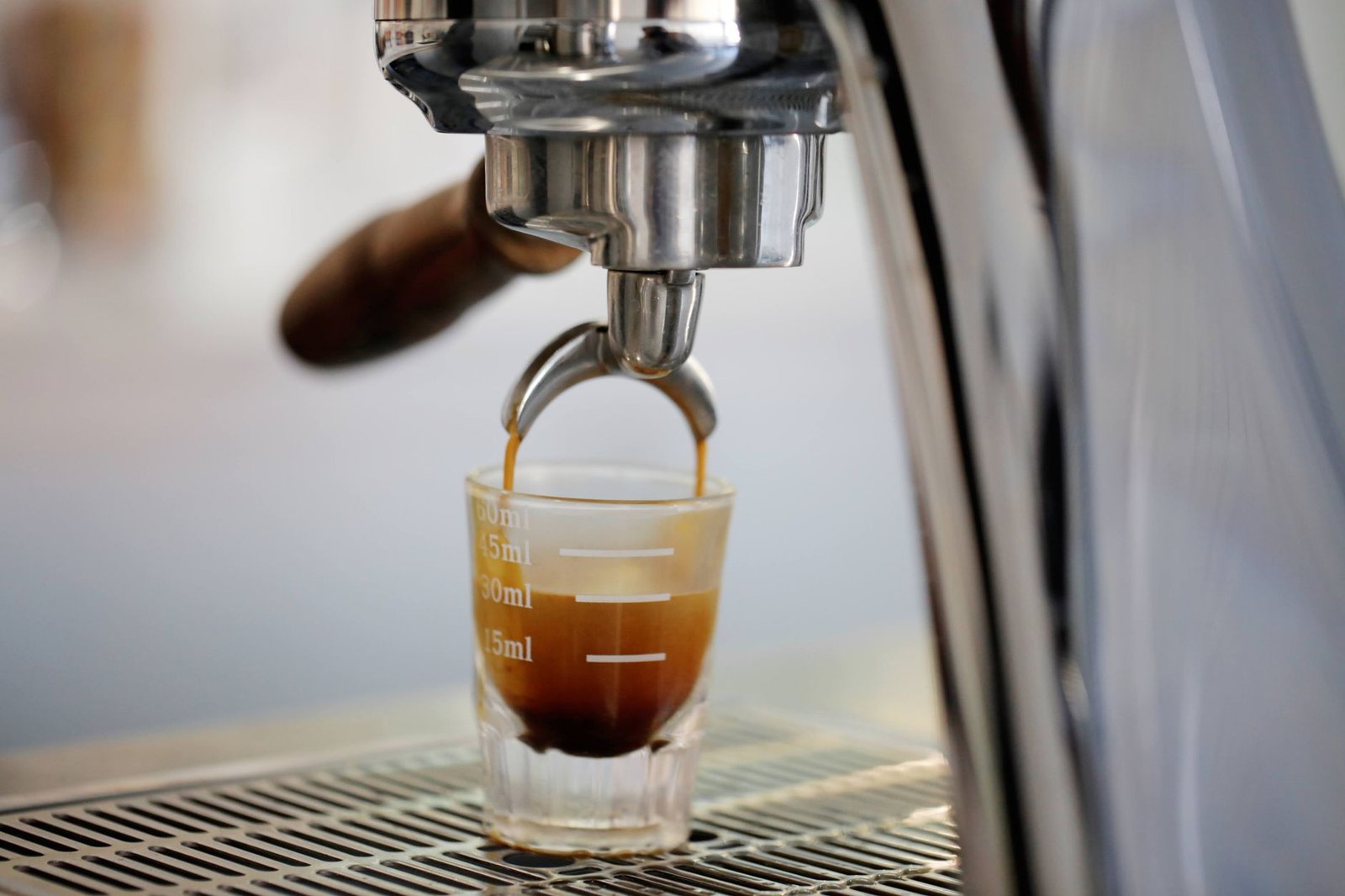
Coffee subscriptions exist specifically to interrupt this cycle. The premise is straightforward: a roaster sends fresh beans on a schedule, usually weekly, biweekly, or monthly, with timing options calibrated to better match the drinker’s actual consumption. The beans are often roasted within a few days of shipping, though exact timing varies by roaster. For many filter-brew methods, coffee is often enjoyable a few days after roasting; for espresso, many coffees perform better after a longer rest, commonly about 5 to 14 days, because carbon dioxide continues to degas after roasting. A good subscription gives the coffee enough freshness to be aromatic and lively without forcing the drinker to rely on a bag that has been sitting around for too long.
Fresh Coffee Versus Stale Coffee: Not a Subtle Difference
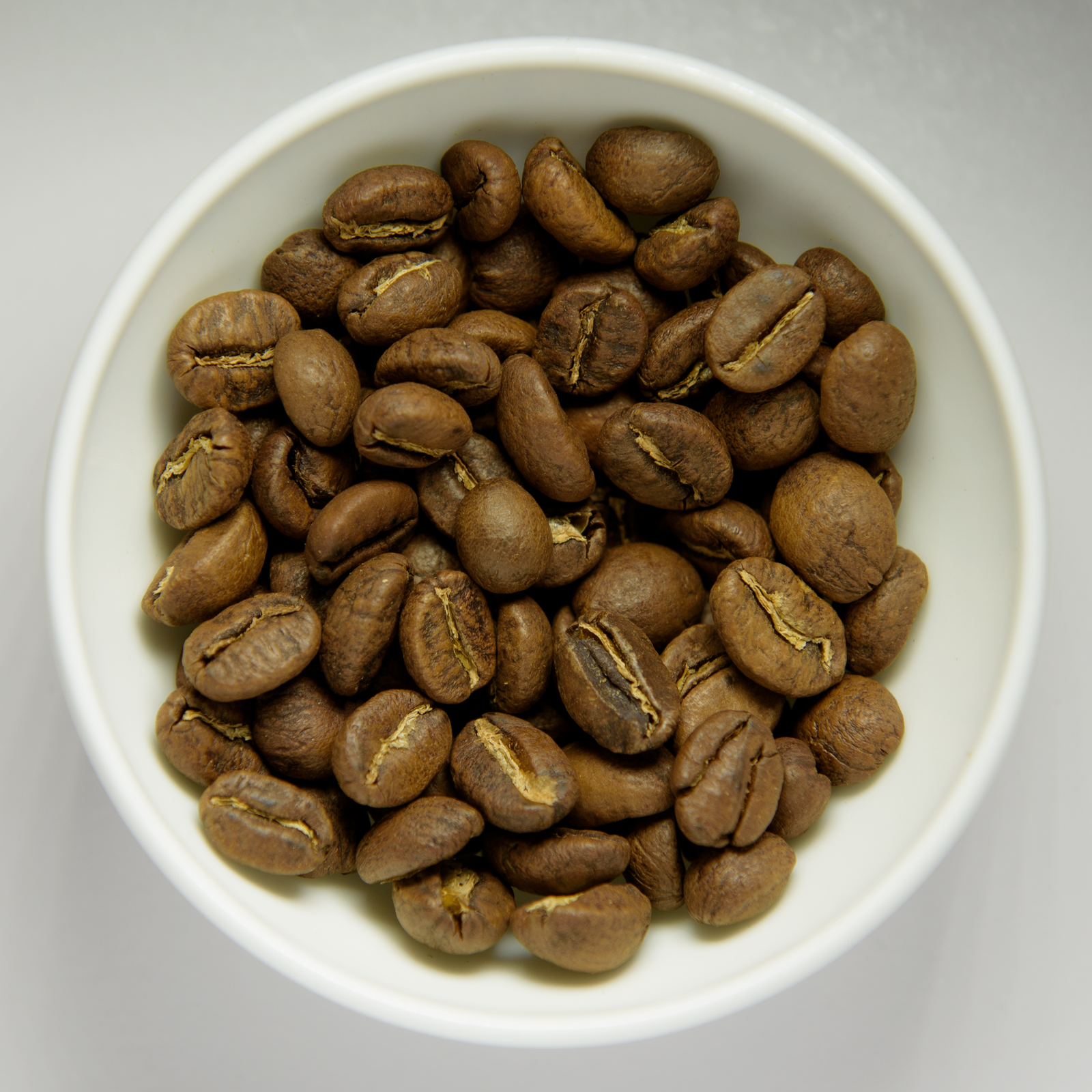
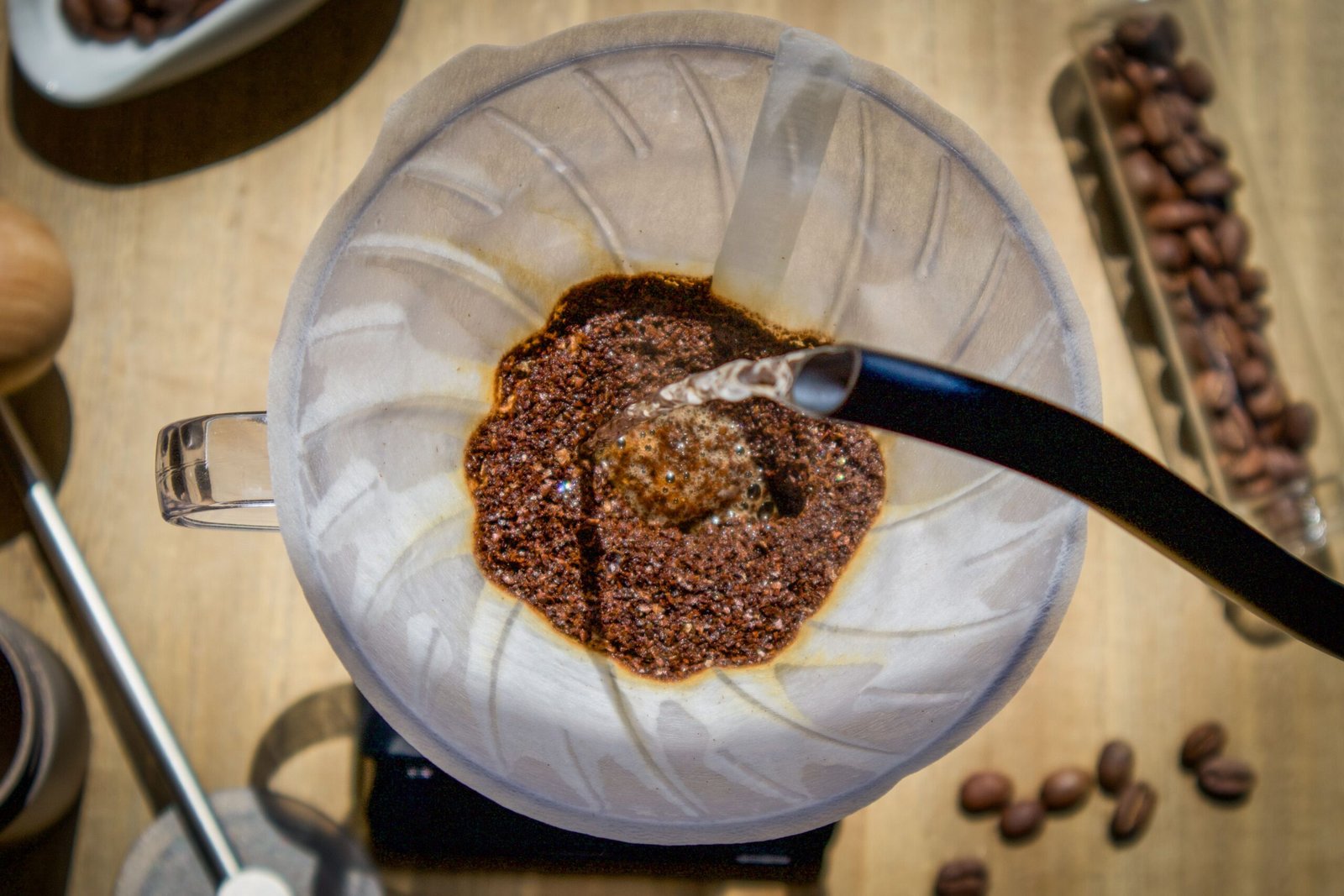
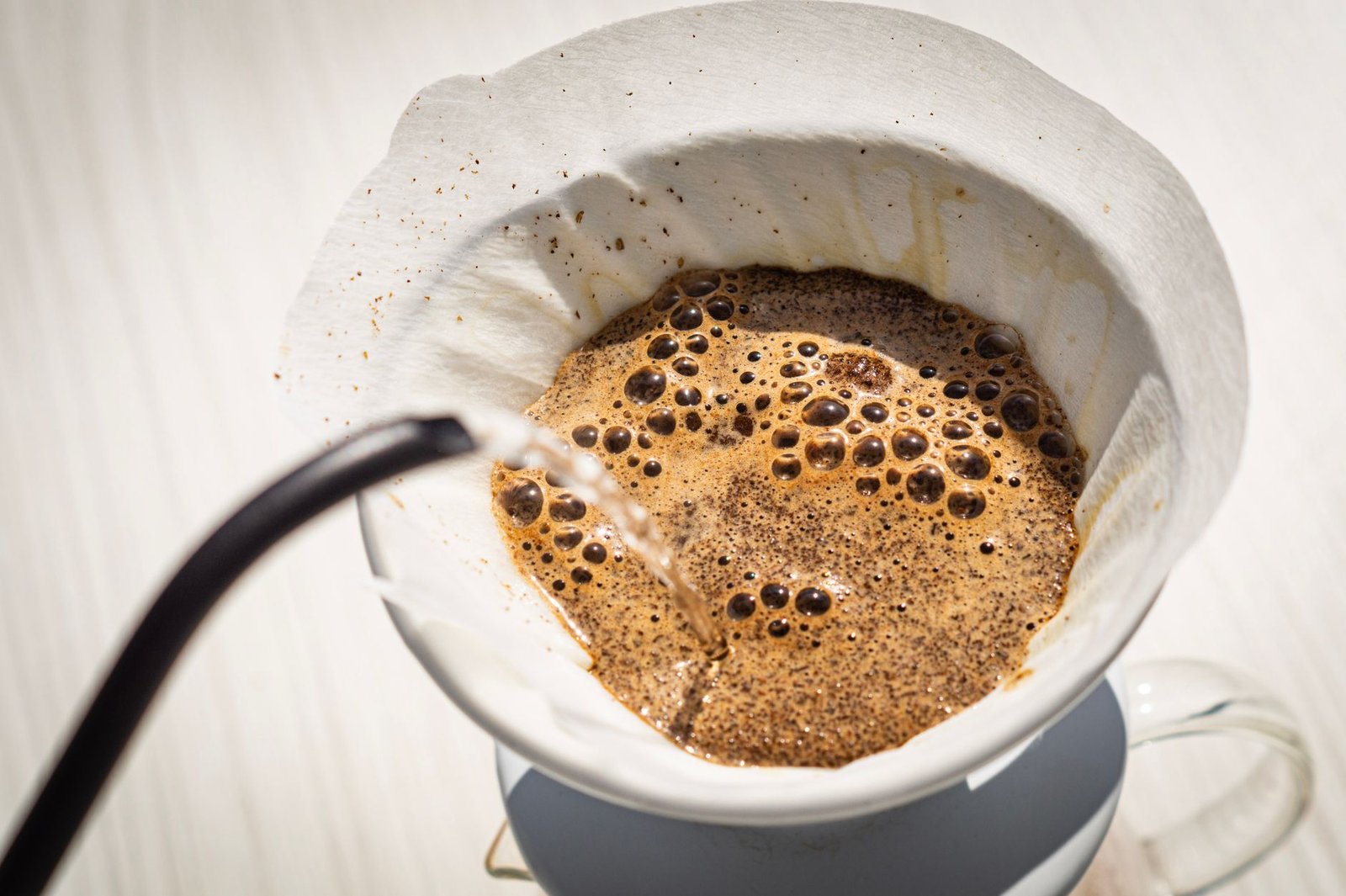
The difference between fresh coffee and stale coffee can be obvious, especially when comparing recently roasted whole beans with coffee that has been open for weeks. Fresh coffee often blooms when hot water hits it, swelling in the filter as trapped carbon dioxide escapes. A strong bloom is not a perfect freshness test, because roast level, processing, grind size, and storage all matter, but it can be a useful sign that the coffee has not gone completely flat. Fresh coffee smells closer to the way the bag promised it would smell. The taste can align with the tasting notes on the label, especially when the coffee is fresh, brewed well, and the notes are chosen carefully. Stale coffee, by contrast, often tastes muted: similar in appearance, but missing much of the aroma and clarity that made it interesting in the first place.
The Hidden Danger of Fresh Coffee: It Raises Your Standards
Once a drinker has tasted coffee that was roasted recently and stored well, the supermarket version can become harder to enjoy. The contrast may be stark. The bag in the pantry, once perfectly serviceable, may seem flat and dull by comparison. This is not a universal law, and plenty of drinkers remain happy with their usual coffee, but freshness can change expectations. The palate has been trained to notice more.
How Coffee Subscriptions Encourage Genuine Exploration
Beyond the freshness argument, subscriptions do something the grocery store cycle often does not: they encourage exploration. When a fresh 250-gram bag arrives every two weeks from a roaster with a clear point of view, the drinker may end up trying coffees that would never have made it into a shopping cart. Subscription services can put unfamiliar origins in front of subscribers who would otherwise have marched past them toward the same familiar Ethiopian, Colombian, house blend, or dark roast. This is how people discover natural-processed Brazilian coffees that may show nutty or chocolatey sweetness, washed Peruvian coffees that can suggest brown sugar and almond, and some Rwandan coffees with bright citrus or red-fruit acidity. None of these may have been on the radar of the average supermarket shopper. The subscription is what brought them there.
Specialty Coffee Has More Variety Than Most Drinkers Realize
Specialty coffee offers a wider range of growing regions, processing methods, varieties, and roast profiles than many drinkers encounter in a typical grocery aisle, and each factor can influence the cup. A subscription can act as a guided tour through this variety, lowering the barrier to trying something new. The drinker does not have to research everything in advance. The beans arrive. The drinker brews them. Gradually, perhaps against their better judgment, they become a more curious coffee drinker. The transition is painless. The discoveries can be memorable.
The Economic Case for Coffee Subscriptions
The math can be stronger than it looks. Many specialty roasters offer subscription discounts, often in the 10 to 20 percent range compared with buying a single bag at retail, and some include free shipping or reduced shipping as part of the deal. The total value depends on bag size, shipping policy, delivery frequency, and local retail prices, so it is worth comparing the actual cost per gram or per pound. For someone going through a bag a week, a consistent discount can add up over the course of a year. The savings are not guaranteed in every case, but they can be meaningful when the subscription matches the drinker’s consumption.
Choosing the Right Coffee Subscription Service
Not every subscription is built the same way, and this is where a little research pays off.
- Preference-based services let subscribers set preferences such as light versus dark roast, single origin versus blend, grind type if needed, and preferred brewing method. This kind of customization reduces the risk of the dreaded mystery bag experience, in which every delivery is a surprise and not always the good kind.
- Curated surprise services lean into the surprise element deliberately, with roasters sending curated boxes often accompanied by tasting notes, brewing suggestions, origin information, and the occasional postcard.
Both approaches have value. One is predictable and reliable. The other is more like a small event. Neither is wrong, and a thoughtful drinker can pick the one that matches their temperament.
The Educational Value of Curated Coffee Subscriptions
The educational component of curated subscriptions is easy to underestimate. Tasting notes are not just decorative, though they are not laboratory measurements either. They help subscribers learn what to look for in a cup, notice broad patterns associated with certain origins or processing methods, and understand how roast level and processing can affect the final drink. A subscriber who starts out unable to tell one coffee from another can, over the course of a year, develop a more useful vocabulary and a more attentive palate. This is the kind of slow, pleasant education that does not feel like school. It feels like a series of small discoveries that accumulate into something much larger.
The Honest Downside: Subscriptions Require Management
There is a downside, and it deserves acknowledgment: commitment. A subscription is a recurring obligation, and recurring obligations require management. Drinking habits change. Travel happens. Budgets tighten. The terms of the subscription matter, and reading them before signing up is not optional. A reputable subscription service should have a clear pause or cancellation policy, and finding out where that button is located before it is needed is a small act of adulting that prevents future irritation.
The terms are worth reading for another reason: they vary widely. Some subscriptions can be paused indefinitely. Others have a minimum commitment period. Some will keep sending coffee unless the subscriber actively changes, pauses, or cancels the plan. None of this is necessarily hidden, but it is also the kind of information that is easy to overlook during checkout. A few minutes spent reading at the start saves a great deal of frustration later. The fine print is boring. It is also important. Both of these things are true.
The Psychological Upgrade You Did Not See Coming
The most interesting benefit of a subscription is the one that does not show up in a price comparison. It is psychological. Receiving a package of fresh coffee in the mail, knowing that good coffee is on the way, can transform the daily brewing routine into something that feels closer to a ritual. There is a small present waiting every couple of weeks. The anticipation, the unboxing, the first cup from a fresh bag: these moments add up. They can make home brewing feel less like a chore and more like an event, which is a small but meaningful shift.
This psychological dimension is harder to quantify than the discount percentage, but it matters more than it might seem. There is something about looking forward to a delivery, even a small one, that changes how the morning unfolds. The coffee is no longer just a caffeine delivery mechanism. It is part of an experience, with a beginning, a middle, and a recurring return. None of this is essential to drinking coffee, and all of it is part of why a subscription can feel like an upgrade rather than just an alternative.
Who Coffee Subscriptions Are, and Are Not, For
None of this means a subscription is for everyone. Some drinkers are perfectly happy with their supermarket bag, and more power to them. Some prefer the ritual of choosing their own beans at a local roaster. Some have a setup so dialed in that experimentation would be unwelcome. For these people, the subscription model may be unnecessary, and that is fine. Coffee is a personal preference, and the best system is the one that produces the most enjoyment for the drinker involved.
But for the many drinkers who find themselves grimacing through the last cups of a stale bag every few weeks, a subscription offers something different. It can offer freshness, variety, convenience, potential savings, and a small weekly, biweekly, or monthly reminder that coffee can taste better than expected. It offers, in other words, an exit from beige.
Leave a Reply