The Coffee Gear Rabbit Hole (and Why Most of It Doesn’t Matter)
There’s a particular kind of madness that afflicts otherwise reasonable people when they fall down the coffee rabbit hole. It starts innocently enough with a bag of decent beans, escalates rapidly to countertop real estate negotiations, and ends with grown adults debating the comparative merits of conical and flat burrs at unreasonable hours. The disease has a name, though most sufferers prefer the gentler term “gear enthusiast.”
Whatever the label, the pattern is familiar: research obsessively, buy once, then start researching again. After years of accumulating and discarding equipment, certain pieces stand out as genuinely useful, not because they are the most expensive, but because each one addresses a specific compromise that was making good results harder to repeat.
Upgrade #1: A Quality Burr Grinder (The Foundation of Better Coffee)
The first compromise to address, and often the one that matters most for brewing consistency, is grinding. This is the kind of statement that sounds like marketing copy until the underlying logic is laid out.
An espresso machine costing thousands of dollars can be a magnificent piece of engineering, capable of pulling shots under carefully controlled conditions. Those conditions are much harder to achieve if the coffee going in is stale, poorly ground, or pre-ground too far in advance, because ground coffee loses aroma rapidly and cannot be adjusted precisely for a given machine and recipe. The reverse is also partly true: a good grinder can help average coffee brew more consistently, though it cannot turn stale or poor-quality beans into excellent coffee.
Why Grind Consistency Is One of the Most Important Variables
Grind size and particle distribution are among the dominant variables in extraction. More uniform particles tend to extract at more similar rates, helping produce a cleaner, more balanced cup. A blade grinder, by contrast, chops beans into an uneven mixture of fine powder and larger fragments. The fines can over-extract while the larger pieces under-extract, producing a muddled result.
A Proven Hand-Grinder Reference Point: Comandante C40
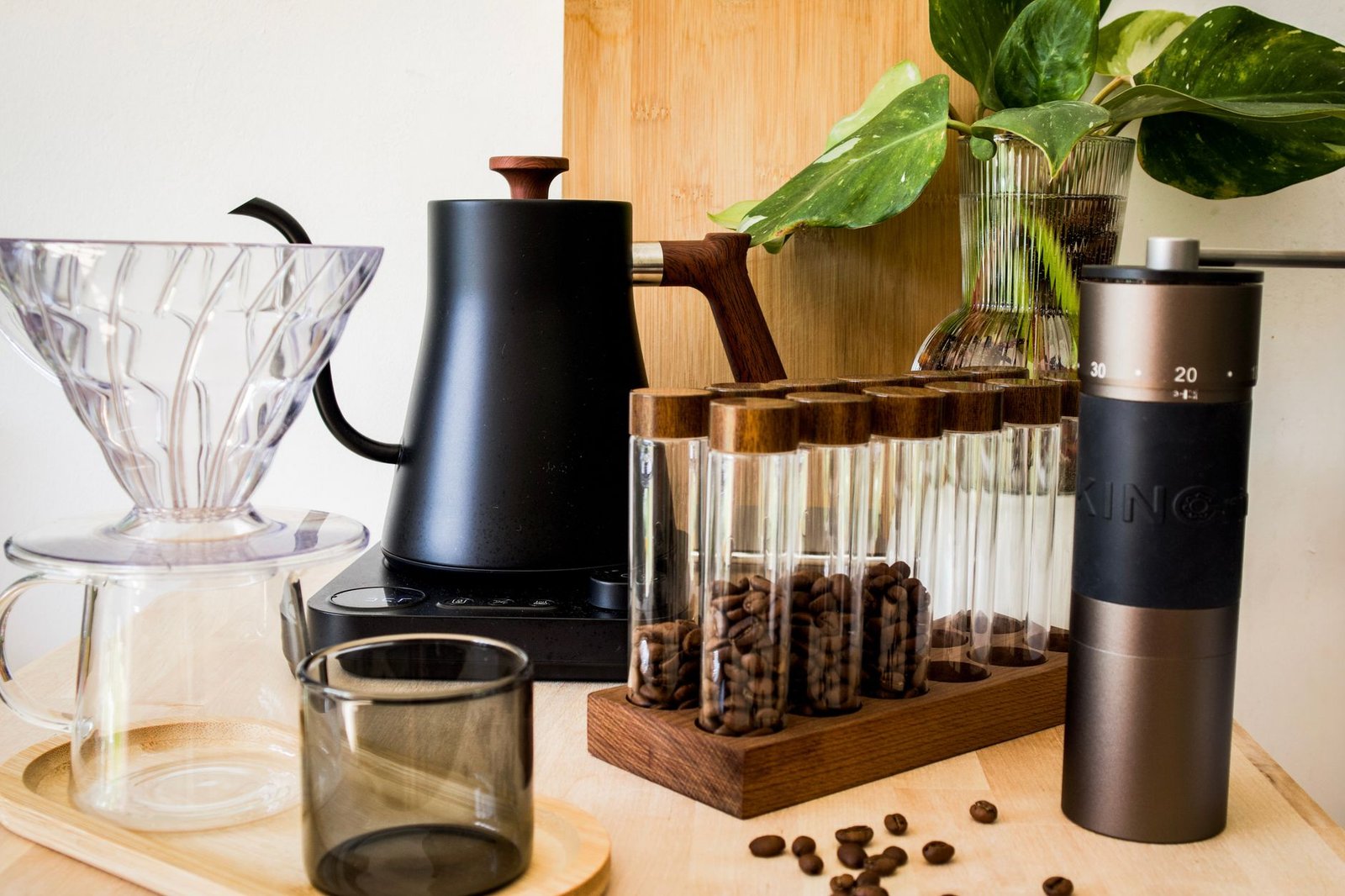
The Comandante C40 is a hand grinder known for excellent grind quality and consistent performance, especially for filter coffee. While it is no longer the uncontested benchmark it was once considered, it remains a respected reference point in the specialty coffee community and continues to be widely recommended alongside strong competitors from manufacturers such as 1Zpresso, KINGrinder, and Timemore. It is constructed with precision-machined components and quality materials that have made it a fixture among specialty coffee enthusiasts. The taste difference when switching from a blade grinder to a good burr grinder like the C40 is usually noticeable, especially in cleaner flavors and more repeatable brews.
Electric Alternative: Eureka Mignon Series
For those who prefer electric operation, the Eureka Mignon series is a line of electric burr grinders generally regarded as offering strong performance for the price, with models suited to different needs, including espresso and filter brewing. This makes it a popular choice for home baristas who have grown tired of the morning arm workout, or who simply want faster and more repeatable grinding.
Upgrade #2: A Gooseneck Kettle (Precision Pour Control)
The second piece of the puzzle is pour control, which sounds like the kind of thing a careful craftsperson would insist upon, but in manual brewing it is genuinely consequential.
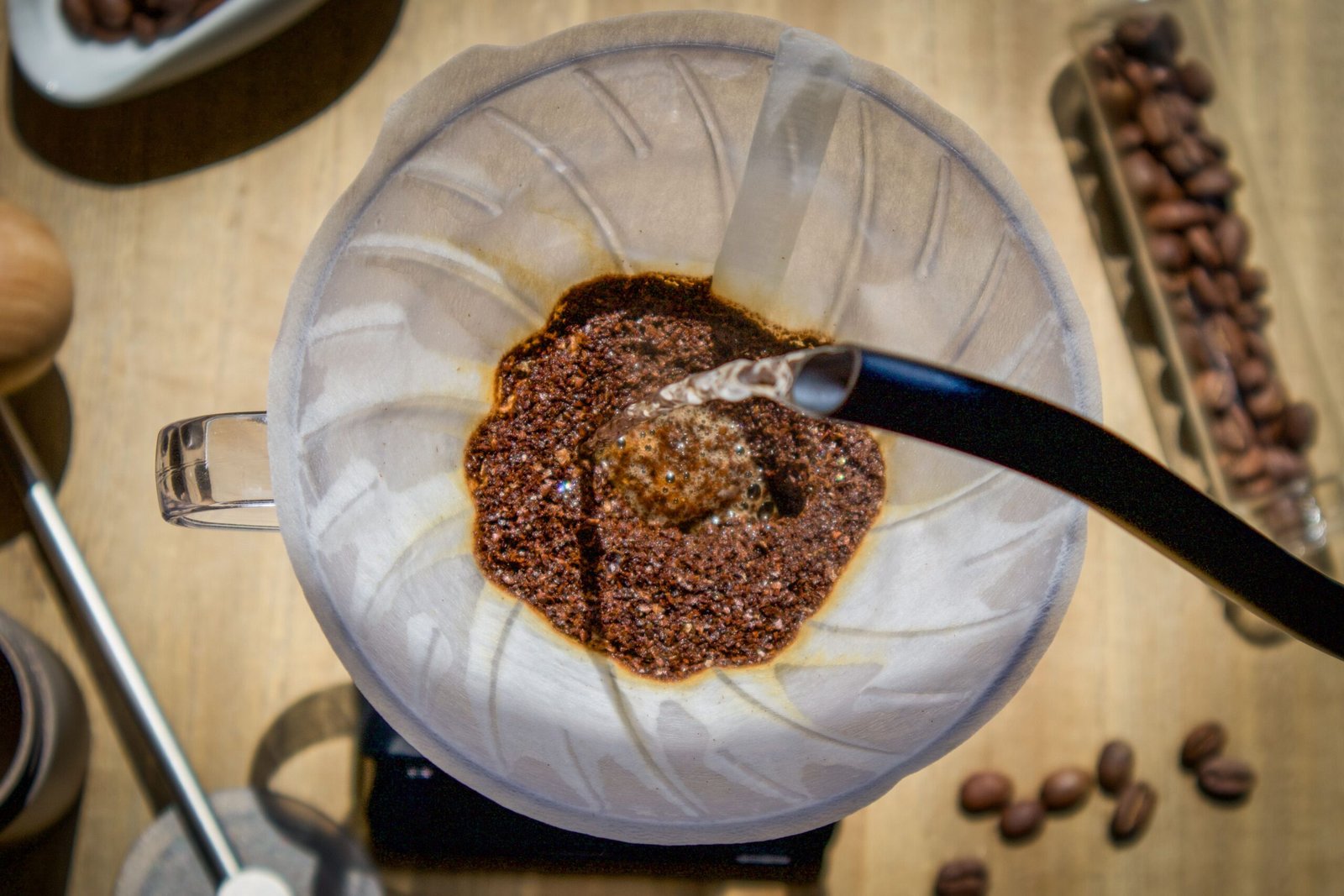
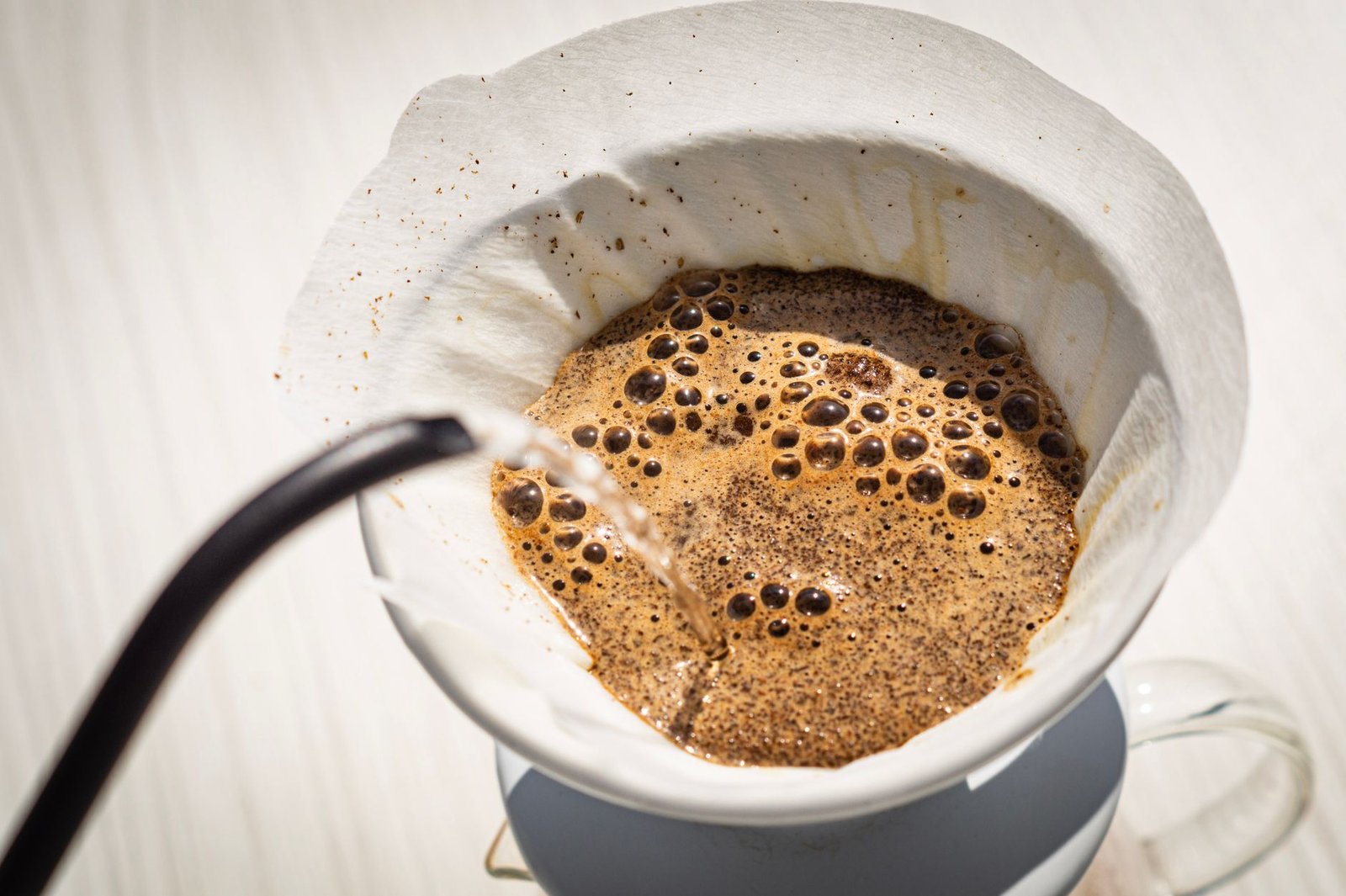
A gooseneck kettle, that curiously long-spouted vessel beloved by pour-over enthusiasts, allows the user to direct water more precisely, pouring at a controlled rate to saturate the coffee bed more evenly. The alternative is a standard kettle, which can produce a faster, less controlled pour, delivering water unevenly and disturbing the bed of grounds more than intended. The difference is not dramatic, but better control can reduce uneven extraction and make a cleaner, more balanced cup easier to repeat.
Budget Option: Hario Stovetop Kettle
A stovetop Hario kettle delivers the gooseneck benefit at an accessible price, though the user may need to monitor water temperature separately.
Premium Option: Fellow Stagg EKG
For those who want both a precision pour spout and integrated temperature control in a single device, the Fellow Stagg EKG combines variable temperature settings with a controlled-pour design, making it both a practical brewing tool and a countertop showpiece.
Either way, the upgrade from a standard kettle to a gooseneck can seem minor until it is made. The first controlled pour with a gooseneck often reveals what was missing all along: not better water, not better beans, but better control over how the water meets the coffee.
Upgrade #3: A Coffee Scale (Consistency Over Instinct)
The third essential is a scale, and this is where the romance of instinct brewing runs headlong into the reality of inconsistent results.
There is something appealingly old-world about eyeballing fifteen grams of coffee, flicking the kettle on, and trusting the process. There is also something reliably inconsistent about the cup that follows, because human judgment of small quantities is poor compared with measurement, no matter how confident the eyeballer feels at the time.
A scale that measures to 0.1 grams removes much of the measurement guesswork, and many inexpensive digital scales, including AWS-style pocket or kitchen scales sold online, can do that adequately for home brewing. Timer-equipped coffee scales are also available, often at modest prices depending on the model and retailer. This is one of those rare cases where the inexpensive option can be sufficient if it is responsive, stable, and accurate enough for coffee doses and brew water.
The difference between brewing with a scale and brewing without one is the difference between being able to repeat a good cup and being able to remember one fondly. Skipping the scale and estimating by sight often ends in a cup that is mysteriously thin, overly strong, or unexpectedly bitter.
Consistency is how improvement actually happens in coffee brewing, and the scale is the instrument that makes consistency possible. Without it, every cup is a small experiment with fewer controls, which makes it harder to learn what changed and why.
Essential Variable: Water Quality (The Variable Hiding in Plain Sight)
Water is easy to overlook because it arrives before the coffee does, but it makes up the overwhelming majority of the finished beverage. Even excellent beans and a capable grinder can struggle to produce their best results if the brewing water is excessively hard, excessively soft, or carries strong mineral or chlorine-related flavors.
Water chemistry influences extraction, flavor perception, and balance. While most home brewers do not need to become amateur chemists, using reasonably clean, good-tasting water is often a more meaningful upgrade than purchasing another piece of brewing equipment.
This is also why equipment upgrades have limits. A premium grinder can improve consistency, but it cannot compensate for water that tastes unpleasant before it ever reaches the coffee. Good coffee begins with good water, even if water rarely receives the same attention as shiny new gear.
Upgrade #4: A Pour-Over Dripper (V60 vs. Kalita Wave)
With grind, pour, and measurement sorted, the question becomes where the water actually goes, which is where pour-over drippers enter the picture. Two options dominate the conversation, and both can be found in lower-cost versions for a modest price.
The Hario V60
The V60 is a conical dripper often described as more technique-sensitive and potentially very expressive, requiring careful attention to grind size, pouring pattern, agitation, and brew time to maintain an even extraction. That sensitivity is also what makes it rewarding, in the sense that skilled users can adjust the recipe to highlight different qualities in the coffee.
The Kalita Wave
The Kalita Wave, by contrast, uses a flat-bottom design and wave-style filters. It is often more forgiving of imperfect technique and can produce a cup with a somewhat rounder body, which many find easier to drink on a daily basis, particularly during the kind of morning when the brain is not yet prepared to negotiate with a finicky dripper.
Choosing between them is largely a matter of preference, coffee, recipe, and patience. Either can serve faithfully for years, and either can reveal dimensions of coffee that many basic automatic drip machines may not show as clearly. The fact that both are relatively inexpensive only makes the recommendation easier, and the fact that they look simple masks how much influence brewer geometry and flow rate can have on the final cup.
Upgrade #5: A Proper Espresso Tamper (For the Espresso Drinker)
For those heading into espresso territory, a fifth piece of equipment becomes important: a properly fitted tamper.
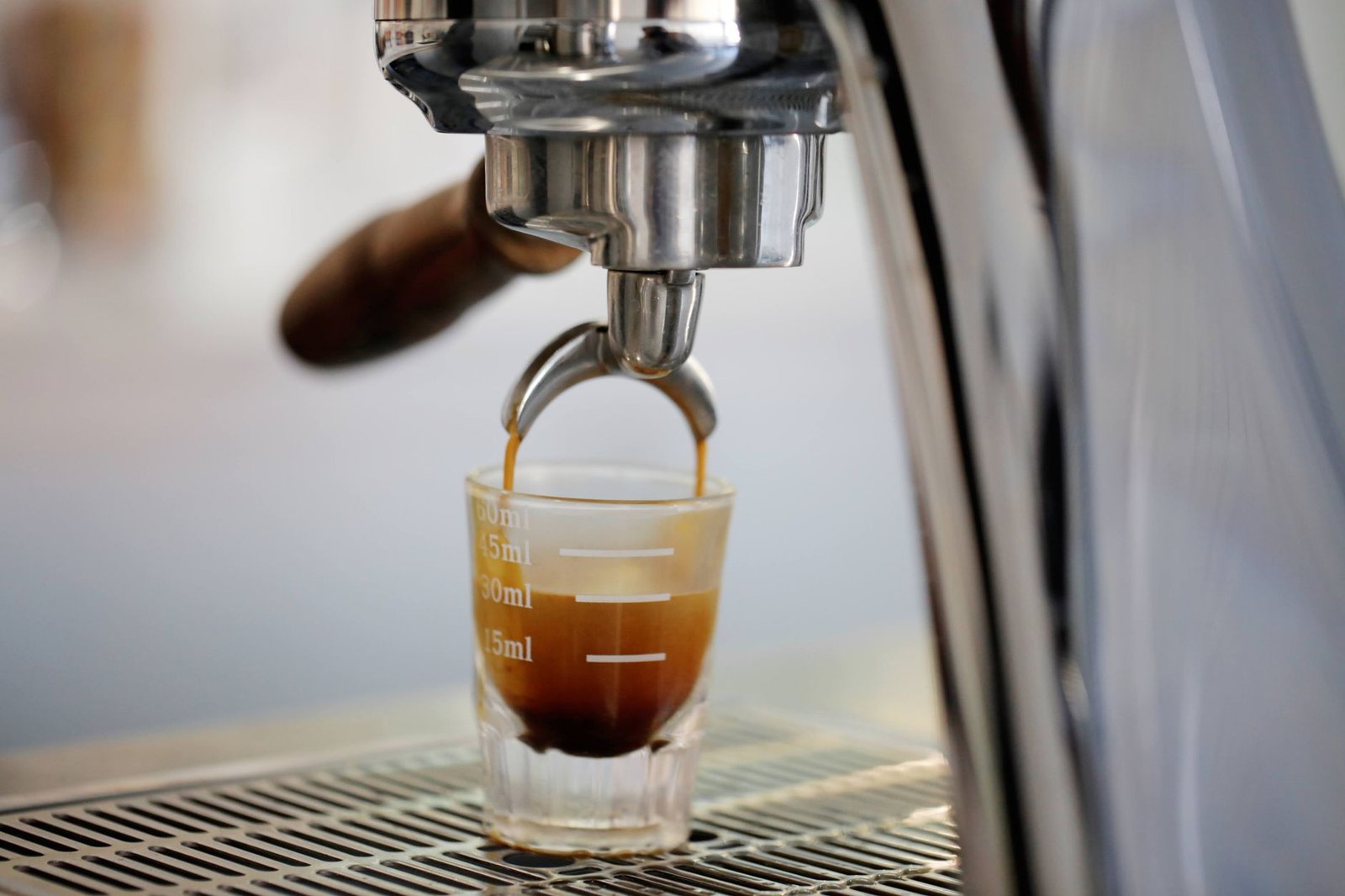
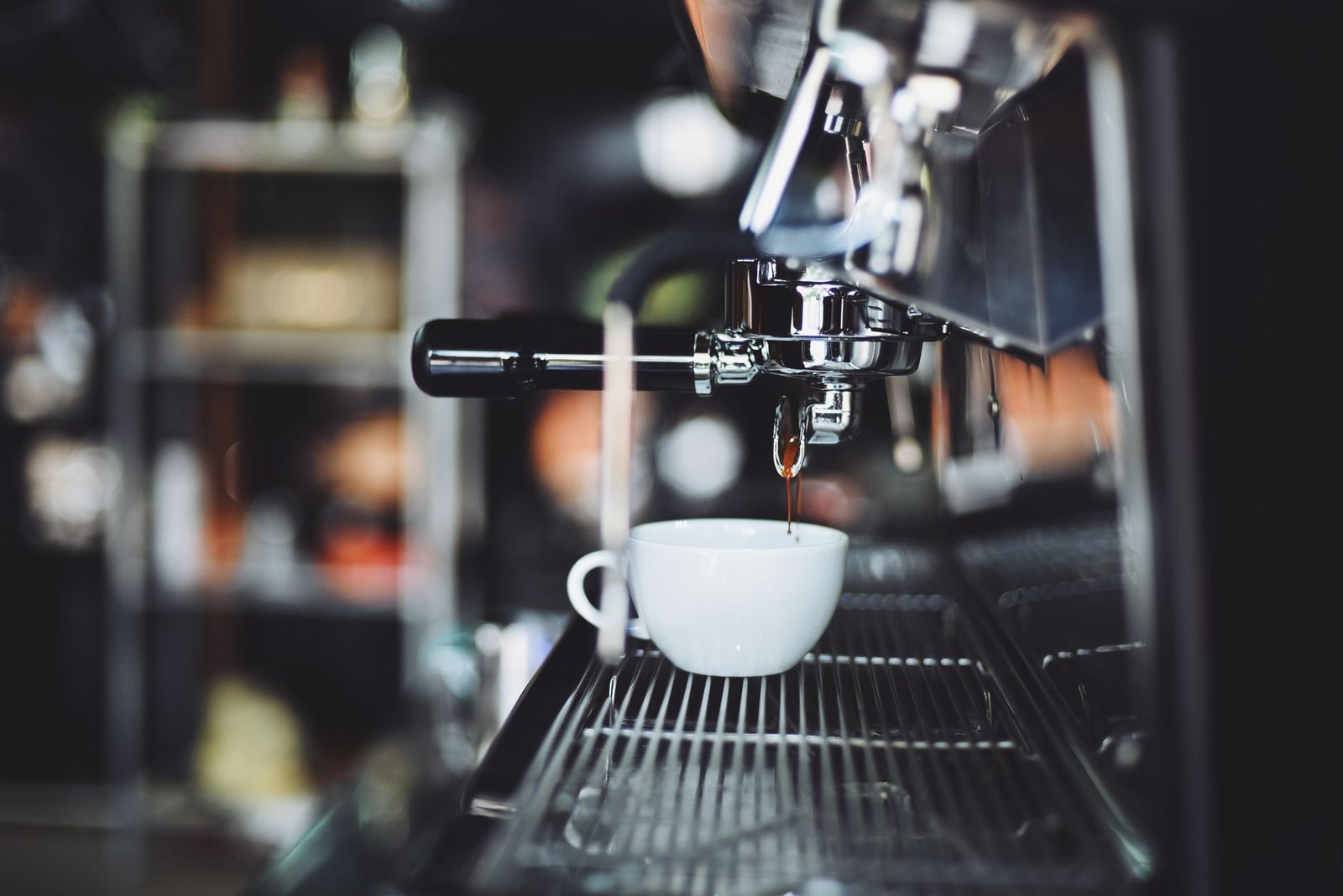
Espresso brewing uses pressure to force hot water through a compact puck of finely ground coffee, and the uniformity of that puck is one major factor in whether the water flows evenly or finds the path of least resistance. When the puck is unevenly prepared, water can channel through weaker areas, producing uneven extraction and spoiling what should have been a balanced shot.
What to Look for in a Tamper
A tamper with a flat, correctly sized base helps reduce this risk by making the tamp more level and consistent, although puck uniformity also depends heavily on grinding, dosing, distribution, basket quality, and puck preparation. Calibrated tampers can help some users apply repeatable force, but current espresso practice generally treats level, complete tamping as more important than hitting any specific pressure number. The traditional thirty-pound target is best understood as a rough historical guideline rather than a hard rule.
Even a basic tamper with a flat base represents a significant upgrade from the improvised solutions that home baristas sometimes resort to, including the bottom of a coffee mug, a flat jar lid, or whatever other flat object happens to be within arm’s reach during a frantic morning routine. None of these is recommended for consistent espresso, because fit, levelness, and even pressure matter.
A proper tamper reduces one source of variability and makes good puck preparation easier to repeat, especially when paired with careful distribution and a consistent routine.
The Philosophy Behind Smart Coffee Equipment Upgrades
The underlying philosophy here is not about spending money for its own sake, although the coffee industry is happy to make that mistake easy. Every piece of equipment discussed here addresses a specific compromise that can hold the brewing process back, and the key word is “specific.”
- A grinder cannot fix bad water.
- A gooseneck kettle cannot rescue stale beans.
- A scale cannot compensate for a recipe, grind setting, or brewer choice that does not suit the coffee being brewed.
- Good water often matters more than another piece of equipment.
Each tool addresses one variable, and the variables stack: better grind control, better pour control, better measurement, a suitable brewing device, and better puck preparation for espresso. The cumulative effect can be significant, but it does not happen all at once.
The grinder is usually the place to start, because grind size and consistency underpin much of the brewing process, provided the coffee is reasonably fresh and the brewing water is suitable. From there, the rest of the chain is only as strong as the foundation. Once that is sorted, the rest of the equipment list follows naturally, with each addition refining the process a little further and reducing the influence of variables that were previously causing unpredictable results.
Conclusion: The Mature Coffee Setup
The other good news is that gear obsession, while relentless, can be self-limiting in practice. Researching one purchase thoroughly tends to delay the next purchase, which delays the one after that, and eventually the kitchen can reach a kind of equilibrium in which every piece of equipment earns its place by doing something the others cannot.
The Comandante still grinds, the gooseneck still pours, the scale still measures, the dripper still brews, and the tamper still tamps, and that is the entire job description. Anything beyond this should solve a real problem rather than simply add another object to the counter.
The true sign of a mature coffee setup is not the number of devices on the counter but the absence of an urge to add another one, which is a state of contentment that takes many enthusiasts time, practice, and a few carefully chosen purchases to achieve.
Leave a Reply