Understanding the Three Waves of Coffee Culture
Coffee culture is often discussed through a three-wave framework, a useful but simplified way of describing major shifts in how coffee has been produced, marketed, and consumed. The boundaries are not exact, and all three waves continue to exist today in different forms. Still, to understand third wave coffee, it helps to know what it was reacting against.
First Wave: Coffee as a Commodity
First wave coffee refers to the era when mass-market brands such as Folgers and Maxwell House helped make coffee widely available, convenient, and affordable. Coffee was often sold as canned ground coffee or instant coffee and brewed in large batches for homes, diners, and offices. First wave coffee generally prioritized consistency, shelf stability, and caffeine delivery over origin-specific flavor. The marketing of the era often treated coffee as routine, dependable, and largely interchangeable. There was romance in the branding, but the emphasis was usually on reliability rather than distinctive flavor.
Second Wave: Coffee as Experience
Second wave coffee asked coffee to be more than a household staple. Companies such as Peet’s Coffee and Starbucks helped popularize the idea that coffee could be an experience, a place, and a small daily luxury. Espresso-based drinks expanded into a broad menu of milk-based beverages, and the coffee shop became a social space as well as a retail counter. The second wave helped popularize espresso drinks in the United States and elevated the coffee shop from a utilitarian stop to a familiar part of urban and suburban life. It introduced the idea that a coffee purchase could be about atmosphere and ritual, not just refreshment. In many second-wave settings, espresso was built around darker roasts and used as the base for milk drinks, flavored beverages, and blended cafe menus.
The Third Wave Philosophy: Coffee as a Craft Product
Third wave coffee then pushed the conversation further. What if very dark roasts were sometimes obscuring defects or muting a coffee’s distinctive character? What if the beans themselves had interesting sensory characteristics worth preserving? What if espresso did not always need to be a vehicle for milk and syrup? Third wave coffee repositioned coffee as both a craft product and an agricultural product, something with provenance, seasonality, and nuance. The coffee itself, rather than only the cafe experience or the drink format, became the center of attention. That shift affected many parts of the specialty coffee industry, from how beans are sourced to how they are roasted, brewed, and described.
Why Sourcing Matters in Specialty Coffee
One of the core ideas of third wave coffee is that source matters. Where did these beans come from, who grew them, and under what conditions were they cultivated, harvested, and processed? This is not just trivia for the menu board. It is a recognition that coffee is an agricultural product, and the third wave movement pushed for greater transparency in coffee purchasing. Consumers who had rarely thought about where their coffee came from began seeing information about countries, regions, farms, cooperatives, processing methods, varieties, and specific lots. The barista at the counter was no longer just preparing drinks; in many specialty shops, they were expected to know the basics of each coffee on the menu and to share that information clearly with customers.
Processing Methods Become Part of the Conversation
Processing matters too, and third wave coffee helped make processing terminology part of the casual coffee drinker’s vocabulary. Was the coffee:
- Natural-processed, with the coffee seeds dried inside the whole fruit, or coffee cherry?
- Washed, with the fruit removed before drying and most mucilage removed through fermentation, washing, or mechanical demucilaging?
- Honey-processed, with the skin removed but some or all of the sticky mucilage left on the seeds during drying?
Each of these methods can influence the final flavor, along with variety, terroir, harvest quality, drying conditions, storage, roasting, and brewing. The third wave ethos often encourages consumers to understand, or at least appreciate, those differences. This is where the culture can start to feel academic to outsiders, and the criticism is not entirely unfair. There is a thin line between informed appreciation and performative expertise, and the coffee world has occasionally wobbled on it. Walking into a third wave shop can feel like walking into a wine tasting where everyone is reluctant to admit they cannot quite detect the notes being described with such confidence.
How Third Wave Changed Coffee Roasting
Roast profiles changed noticeably under third wave influence. Lighter roasts became common in specialty shops, and the reason is straightforward: when properly developed, lighter roasting can preserve more of a coffee’s acidity, aromatics, and origin-specific character than very dark roasting, while darker roasting tends to emphasize roast-derived flavors such as bitterness, smoke, chocolate, and caramelization. The shift to lighter roasts was a shift toward letting the bean’s inherent qualities remain more apparent, even at the cost of the heavier, more uniform flavors that had come to define much of the previous era of coffee. This was not a small adjustment. It required many coffee drinkers to recalibrate their palates and assumptions in the process.
The Espresso Revolution: Single-Origin Shots and Dial-In
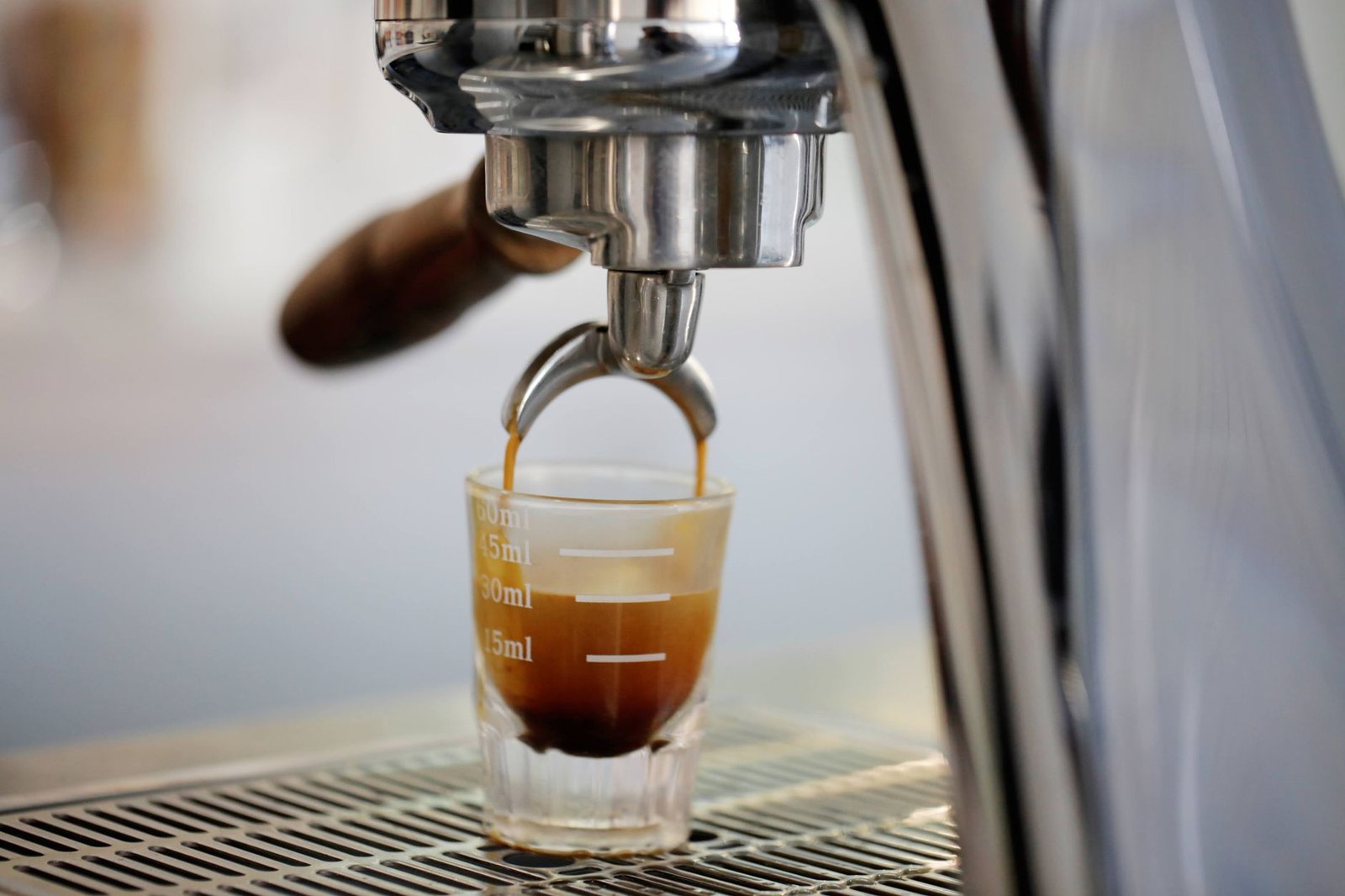
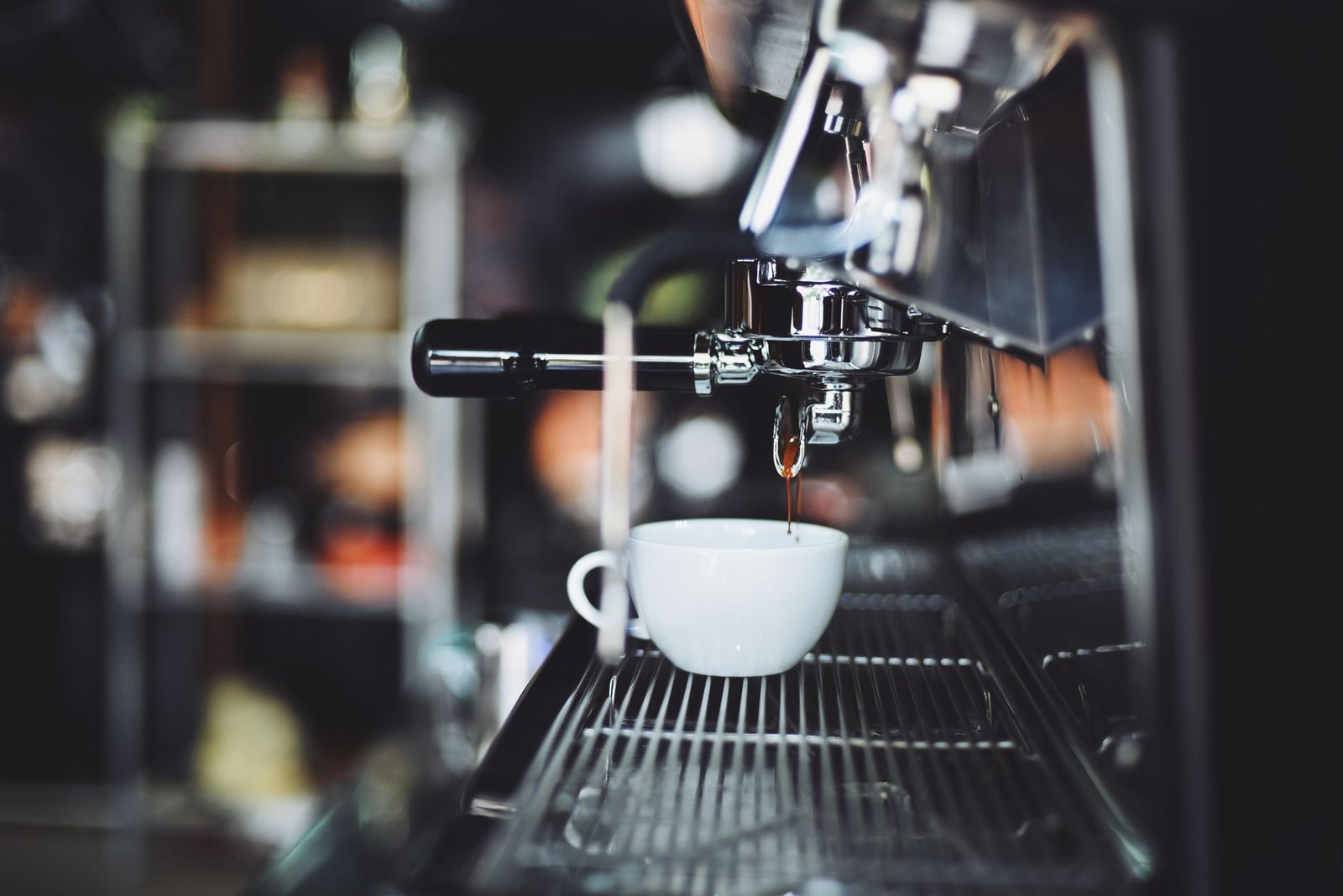
The espresso world was particularly affected. In much of second-wave American coffee culture, espresso was often treated primarily as a base for milk and syrups, and the coffees used for it were commonly roasted dark enough to produce a familiar, intense profile. Third wave coffee asked a simple but influential question: what if espresso could highlight the sensory qualities of a particular coffee rather than mainly provide strength and bitterness in a milk drink?
This helped drive the rise of single-origin espresso, where coffee from a specific country, region, farm, cooperative, or lot is prepared as espresso rather than blended into a more generic base. At the same time, carefully designed espresso blends have remained an important part of specialty coffee and continue to be widely used by respected roasters. Third wave coffee also elevated the importance of dial-in, the process of adjusting variables such as dose, yield, grind size, brew time, water temperature, and pressure profile to produce a balanced extraction from a specific coffee. None of this is accidental. It reflects a commitment to making the coffee’s character as clear and enjoyable as possible.
Direct Trade and the Economics of Quality
The economic consequences of this shift have been significant in some parts of the specialty market, though their extent varies and is often debated. Third wave culture is closely associated with the rise of direct trade, a non-standardized term generally used when roasters build closer purchasing relationships with producers or exporters, sometimes paying premium prices for quality, transparency, or long-term partnership. Direct trade is not a formal certification, and it does not automatically guarantee better outcomes for farmers. Where premiums do reach producers, some use the additional income to invest in agricultural practices, processing infrastructure, quality control, or worker pay. The structure can also give some producers an incentive to experiment with varieties and processing methods that may produce higher-scoring, higher-valued coffee.
This is one of the quieter contributions of the third wave movement: it helped expand a market in which quality and traceability can be rewarded. The commodity coffee market still dominates much of global coffee trading, but alongside it has grown a specialty economy in which transparency, cup quality, and differentiated lots can command real premiums when the supply chain is structured fairly.
Home Brewing as a Hobby, Not a Habit
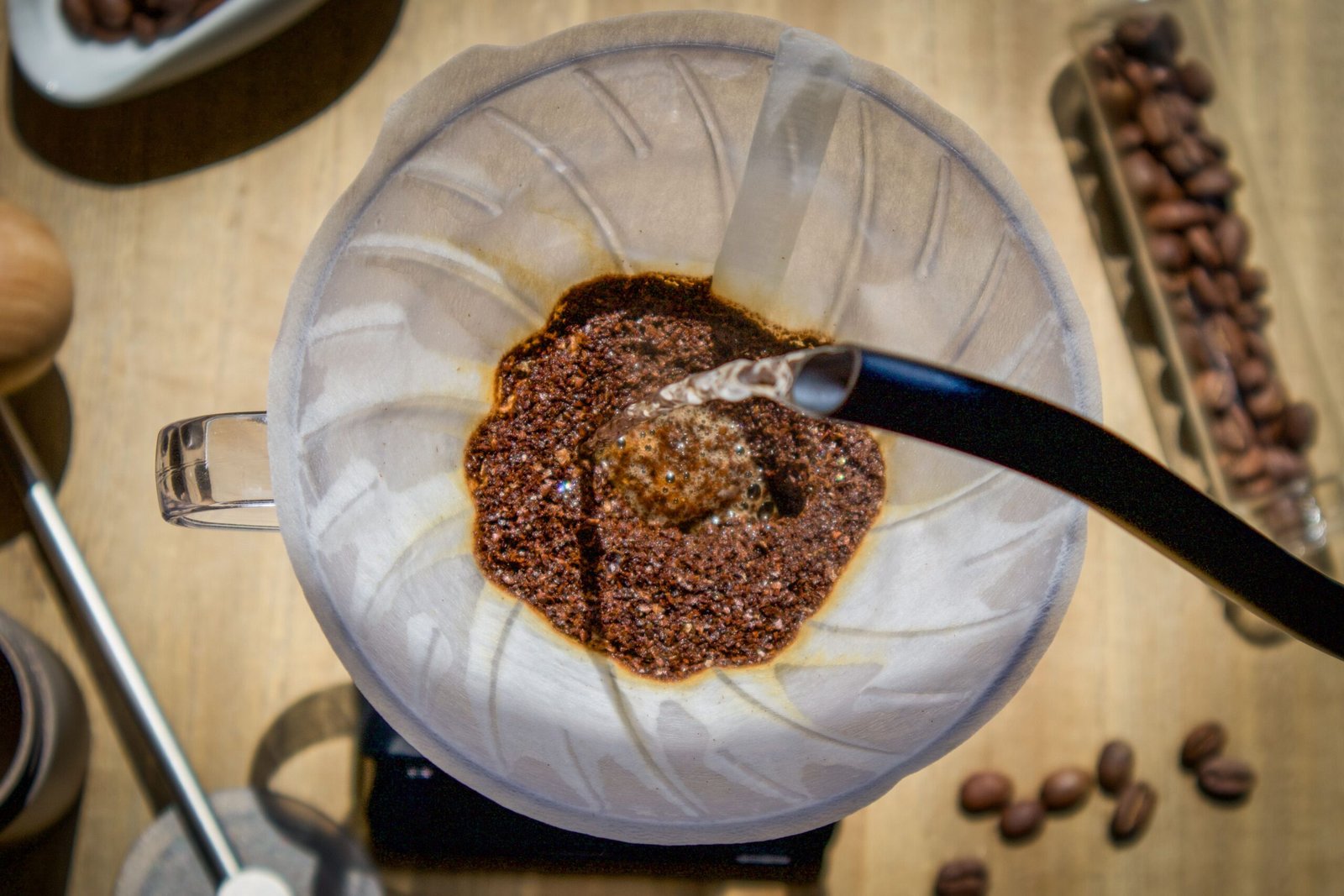
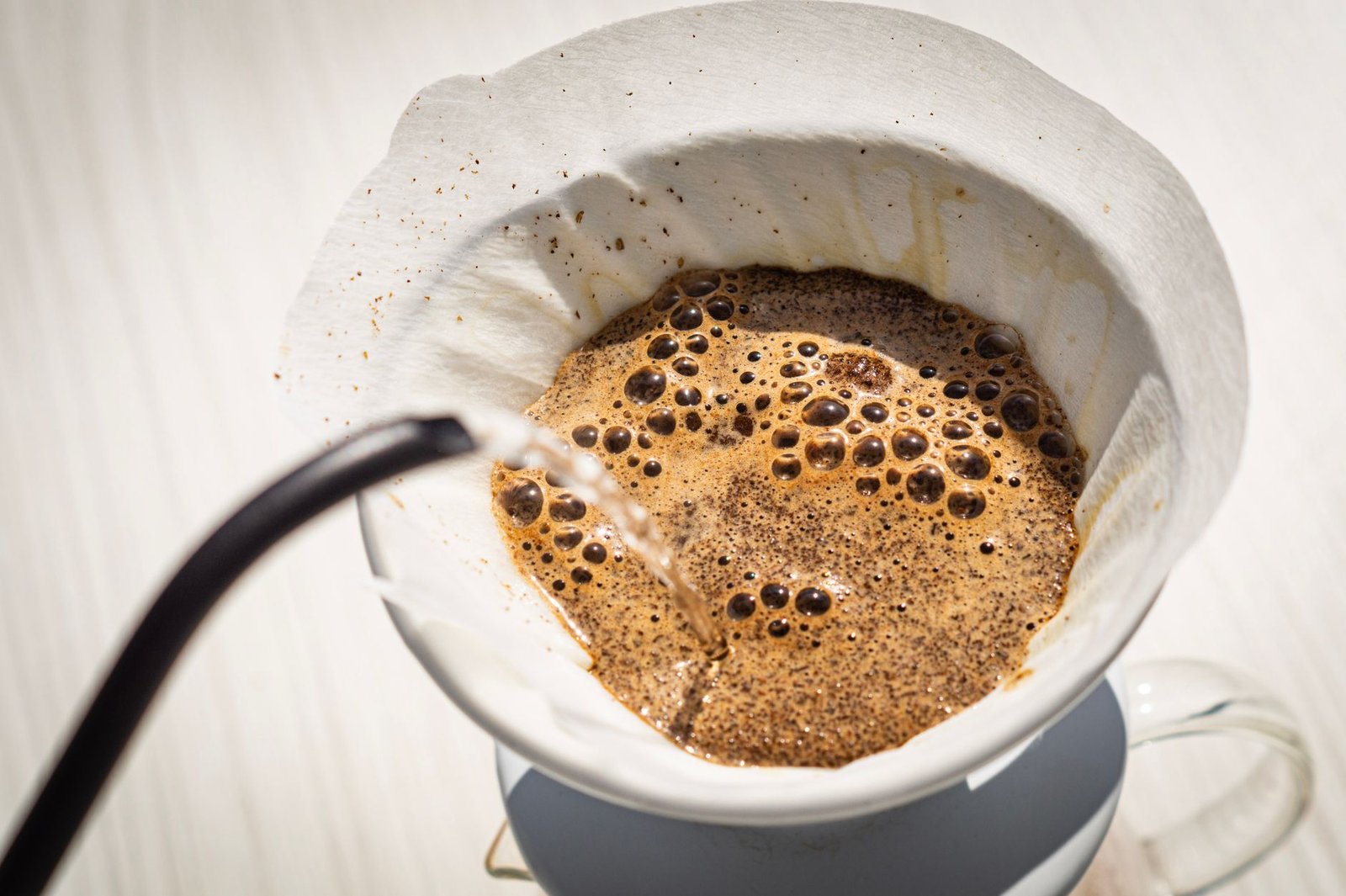
On the consumer side, third wave coffee helped turn home brewing into a hobby for many enthusiasts rather than merely a habit. People started buying scales, gooseneck kettles, burr grinders, and manual brewers. The kitchen counter went from holding a basic drip machine, if anything, to looking like the workspace of a slightly overcaffeinated experimenter. Coffee became something to be practiced, discussed, and improved, much like home cooking has evolved through similar waves of craft and curiosity. The internet accelerated all of this, as home brewers traded notes, compared recipes, and debated the merits of different devices with intensity once reserved for other household obsessions.
Fair Criticisms of Third Wave Coffee
The criticisms of third wave coffee are fair, and they are worth taking seriously. Third wave coffee can feel exclusionary, and the price points at many specialty shops reflect a positioning that not every consumer can or wants to participate in. Not every expensive pour-over is worth its price, and the gap between a shop’s marketing and the actual experience in the cup can be wider than anyone wants to admit. Some shops lean into complexity as a substitute for quality, using jargon and elaborate rituals to create the impression of value even when the underlying coffee is unremarkable.
The vocabulary can be intimidating, the equipment list daunting, and the implicit suggestion that anyone drinking a regular cup of drip coffee is somehow missing out is, frankly, annoying.
Why the Underlying Philosophy Still Matters
And yet, the underlying philosophy at the heart of third wave coffee is genuinely useful. The idea that coffee is an agricultural product worth caring about is hard to argue with. The rise of specialty coffee has shaped parts of the broader industry, and many observers argue that it has increased consumer awareness of freshness, sourcing transparency, and flavor differentiation over the past two decades, particularly among engaged coffee drinkers. Even mainstream coffee brands now more often use language associated with origin, roast level, and sustainability, although the quality and meaning behind those claims vary widely. The alternative, a world in which coffee is treated only as a uniform commodity with no room for differentiation or excellence, is not appealing.
Third wave coffee is not perfect, and the people who treat it like a religion are missing the point as much as the people who dismiss it as pretentious nonsense. It is, at its core, a movement that asked the coffee industry and its customers to take coffee seriously as a product, a craft, and an agricultural good. The fact that the discussion occasionally gets a little silly, the cups a little expensive, and the vocabulary a little absurd is a side effect of any culture that cares deeply about something. Passion tends to spill over into performance, and coffee passion is no exception.
Conclusion: A Small Victory for Better Coffee
So yes, the barista talking about sourcing, the handwritten menu board, and the minimalist cups can all be part of the third wave aesthetic. But beneath the styling is a real argument: coffee deserves better, and so do many of the people who grow it, brew it, and drink it. The fact that many enthusiasts are now reading coffee blogs, weighing their morning beans on a scale, and reaching for a grinder instead of pre-ground coffee or a pod machine is a small victory for that argument. It is not the whole story of coffee, but it is an important chapter, and one that has helped many drinkers pay closer attention to what is in the cup.

Leave a Reply